Blog

  • Mel Ayton’s Blatant Distortion of Facts About the RFK Assassination in The Kennedy Assassinations

    Mel Ayton’s Blatant Distortion of Facts About the RFK Assassination in The Kennedy Assassinations

    Mel Ayton has made it his life’s purpose to discredit any opinion that’s not his by writing it off as a conspiracy theory. At least, that’s what appears to be the case in his latest hardcover—a total waste of trees, if you ask us—book, The Kennedy Assassinations:JFK and Bobby Kennedy.

    Find our complete review of the book here and some highlights from the article below.

    100 Pages of Nothing

    James DiEugenio criticizes the 100 pages dedicated to the assassination of Robert F. Kennedy case for omitting Dr. Thomas Noguchi, mentioning DeWayne Wolfer while quoting someone else, and not expanding upon the findings of Judge Robert Wenke’s Panel.

    The Kennedys and King writer and founder criticizes Ayton for referring to the works of controversial authors, like Godfrey Hansen and Robert Blair Kaiser, who admittedly fall prey to conspiracy theories in trying to prove the point that anything that attests to Sirhan’s innocence is a conspiracy theory. Ayton goes as far as misrepresenting the shooting to achieve this feat while ignoring the other side of the argument entirely.
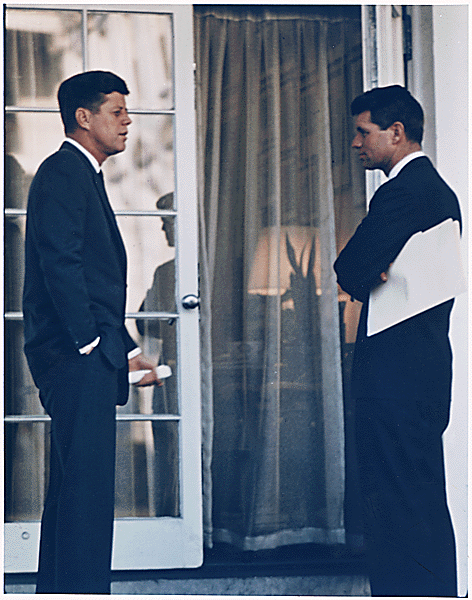
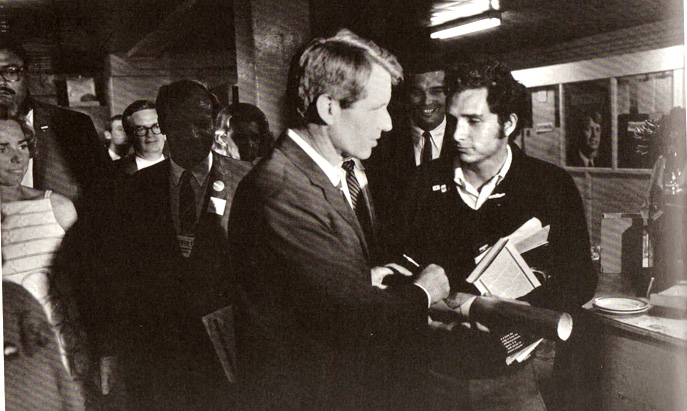
    the Kennedy brothers

    Michael McCowan: A Member of Sirhan’s Defense Team

    Ayton refers to the word of Michael McCowan as gospel, forgetting or willfully omitting the details of his sketchy background. McCowan was a member of Sirhan’s defense team who never believed in his client’s innocence.

    McCowan was a suspected criminal, but his crimes against Sirhan knew no bounds. If working without compensation isn’t suspicious enough, how about the fact that he once tried to portray Sirhan as a communist? Or that he coerced Sirhan into following his defense team’s strategy come what may?

    McCowan wasn’t just an incompetent team player. He knew exactly what he was doing when he stopped Sandra Serrano-Sewell from taking the stand. This is the kind of person that Ayton uses to prove his propaganda.

    The Refusal to See McCowan as an LAPD Plant

    Ayton refuses to consider the possibility that McCowan might have been an insider. He wants his readers to have the same perspective by conveniently leaving out anything about his sketchy dealings leading up to the case in The Kennedy Assassinations.

    He doesn’t even portray the man as incompetent because he agrees with the overall narrative and wants his contemporaries to buy into it.

    That this narrative and Sirhan’s alleged confession don’t match the autopsy report drawn up by Dr. Noguchi doesn’t matter. Dr. Noguchi’s autopsy report clearly states that Senator Kennedy was shot at close range “from behind and at extreme upward angles.” That doesn’t match Sirhan’s alleged confession of firing the shots as he stood facing him.

    Be sure to check out the full review of The Kennedy Assassinations and other pieces discredited and deemed credible by James DiEugenio and the other contributors at Kennedys and King, a platform committed to uncovering the truth behind the political assassinations of the 1960s.

    Know how you can contribute, and contact us for queries and feedback.
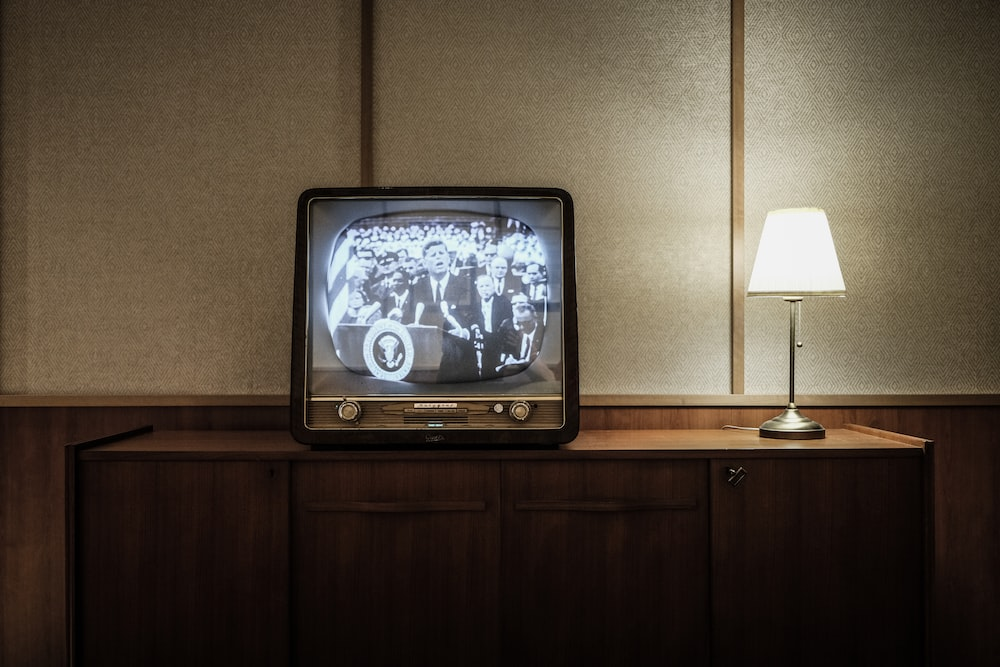
  • The Most Noteworthy Televised Moments of the 1960s

    The Most Noteworthy Televised Moments of the 1960s

    It’s been half a century since the 1960s, a long enough time to see the events of that decade from a wider perspective. You may find most perspectives through our contributions over the years, but we’re still missing a televised perspective.

    In today’s blog, we look back at the most sensational televised moments of the 1960s.

    “I Have a Dream”

    News media played an important role in the Civil Rights Movement. It helped civil rights activists spread their message through digital media instead of disseminating them through leaflets, mail, and whatnot.

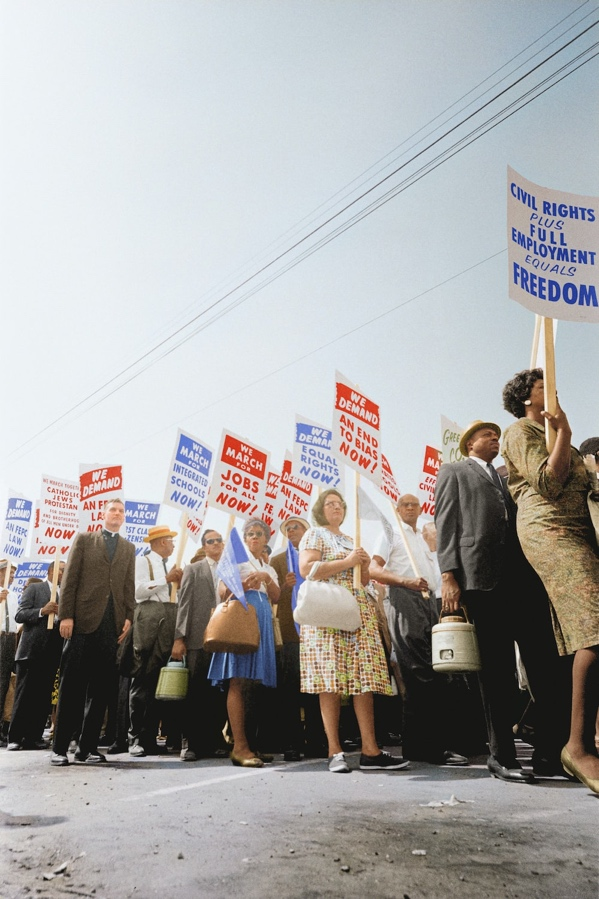
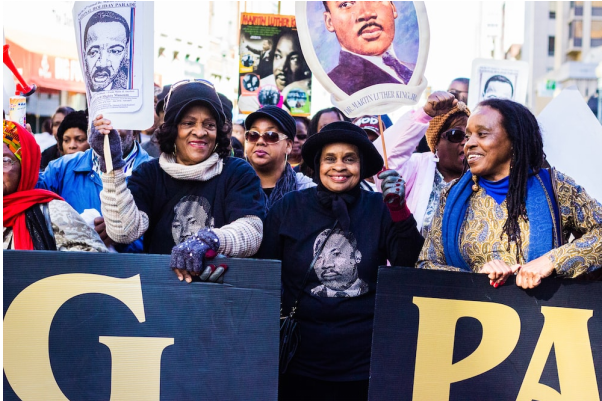
    The 1963 Freedom March and the “I Have a Dream” speech that Martin Luther King Jr. made during that march would perhaps not have been as impactful as it was then or as memorable as it is today if it weren’t televised and recorded. Human memory is fleeting, but the camera remembers every detail of that speech.

    The Aftermath of the JFK Assassination

    The reportage following the assassination of John F. Kennedy was some of the most extensive in the history of national television.

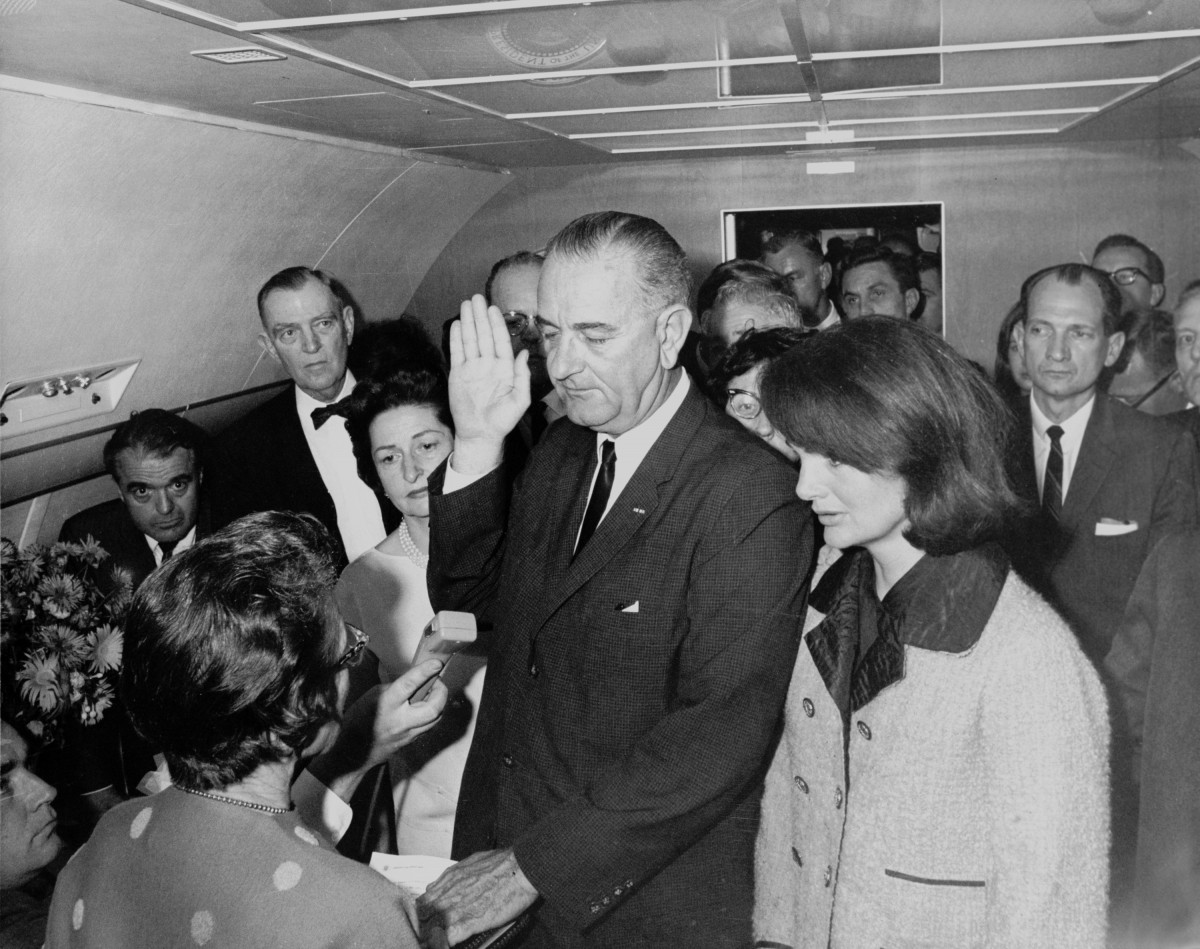
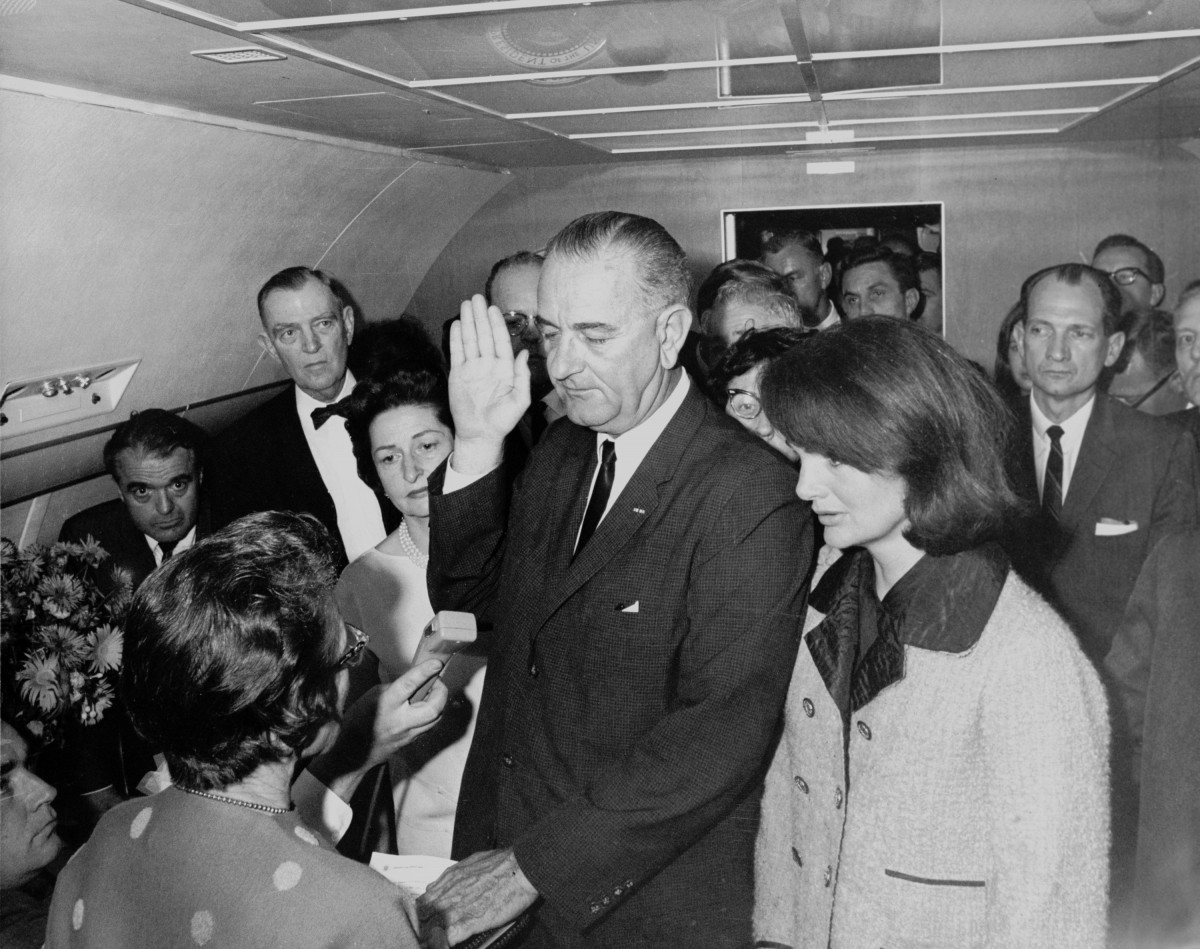
    News reporters swarmed Dallas to immortalize the hasty oath-taking ceremony of Vice President Lyndon B. Johnson. They could record the former First Lady in the same blood-stained clothes she wore during the deadly motorcade.

    That said, we’re sure the news media didn’t expect to capture another assassination and that too so soon after the death of a US President.

    oath taking ceremony

    “Report from Vietnam”

    Everyone knows the Tet Offensive was the event that reinforced the US withdrawal from the Vietnam War, but they may not know about the report that took the wind out of their sails.

    Report from Vietnam” was a report by Walter Cronkite, the anchor of CBS Evening News, documenting a two-week trip to Vietnam after the Tet Offensive. The situation on the ground this soon after the devastating attacks may have cemented President Johnson’s announcement not to run for reelection.

    Lee Harvey Oswald is Assassinated

    The Guinness World Record for the “First Murder on Television” goes to Lee Harvey Oswald. Two days after the assassination of John F. Kennedy, reporters clamored to get a glimpse of the alleged shooter.

    They should’ve been careful what they wished for because they traumatized more than half the households across the US by capturing one of the violent televised moments of the 1960s. They ended up showing Jack Ruby killing Lee Harvey Oswald as the police were escorting him.

    Visit Kennedys and King for Videos and Interviews

    Find the videos and interviews of some of the above televised moments on Kennedys and King. You can also check out other media, such as articles, reviews, and resources we have collected over the years, to bring the truth behind the political assassinations of the 1960s to light.

    Contact us for inquiries and to lend your support to our cause.

  • Never Forget: The 4 Most Notable Ways 1968 Made History

    Never Forget: The 4 Most Notable Ways 1968 Made History

    The ’60s were a turbulent decade. Every year was marked by a few triumphs in space technology and too many tragedies here on Earth. Of the ten years that marked the difficult decade, 1968 was the most eventful. Click here to get our hot take on these events more than 50 years later.

    Keep reading for a quick rundown of some of the unforgettable historical events of 1968.

    1. The Tet Offensive

    Late January was the “Tet”, or Lunar New Year for much of Southeast Asia. Around this time in 1968, North Vietnam launched its violent Tet Offensive against the US and South Vietnam; it may have also marked the beginning of the end of the US involvement in the Vietnam War.

    The two sides normally didn’t engage in battle on “Tet”. The day was an unspoken truce between the North and South. That day, the North launched an attack on 36 major cities and towns with an army of 85,000 Viet Cong.

    While the invasion failed to make its intended impact, it led to widespread discussion against US involvement and kickstarted its eventual retreat from the Vietnam War.

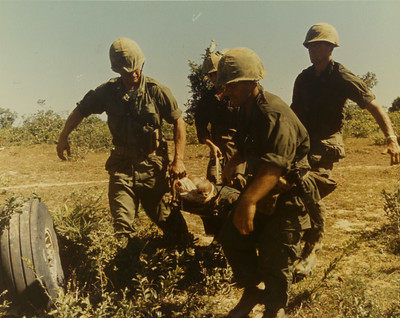
    Vietnam War scenes


    2. RFK Announces Candidacy

    On March 16, 1968, Senator Robert F. Kennedy announced that he would be running for the role of the President of the United States, a rather late but welcome announcement for his supporters and the Democratic Party.

    RFK’s main competitor in the race was the then Vice President Hubert Humphrey, but that seems a minor detail in the face of the fact that the campaign lasted only 82 days, ending in the Senator’s assassination.

    3. The MLK Assassination

    The Assassination of Martin Luther King was a historical event that shook America. It occurred on the evening of April 4, 1968, and sparked riots across the country that resulted in 40 deaths and caused property damage in more than 100 cities.

    While an arrest was eventually made in the case, later investigations prove any charges and convictions to be nothing more than a coverup operation to hide the real killers.

    4. The RFK Assassination

    Senator Robert F. Kennedy was assassinated on June 6, 1968. His demise, like his forebearers’, would become an unsolved case. It would contain conflicting reports on how many gunshots were fired, its conclusions deviating from the proposed angles of the attack (at close range, from behind and from extreme top angles).

    You can find more about these inaccuracies in Mel Ayton’s The Kennedy Assassinations: A Review. This well-written article will make you think twice about every detail of the RFK and JFK assassinations. Support our organization, so we can keep using our words to advocate for the truth behind the political assassinations of the 1960s.

    Reach out for questions and concerns.

  • The Interesting History Behind Jackie Kennedy’s Infamous Pink Suit

    The Interesting History Behind Jackie Kennedy’s Infamous Pink Suit

    The assassination of John F. Kennedy has been prodded at, picked apart, dissembled, and reassembled. It has been analyzed down the last stitches of clothing worn by the occupants of that ill-fated motorcade. Find everything that has been disclosed thus far here.

    Today, we bring you the fascinating story behind the pink suit that Jackie Kennedy wore on that Friday, November 22nd, 1963.

    The Pink Chanel Suit

    In the ’60s, the first ladies followed a tradition established in the 1800s. When 23rd first lady Caroline Lavinia Scott Harrison bolstered the America first policy by revealing her dress was made locally, she made it an unspoken rule for her contemporaries.

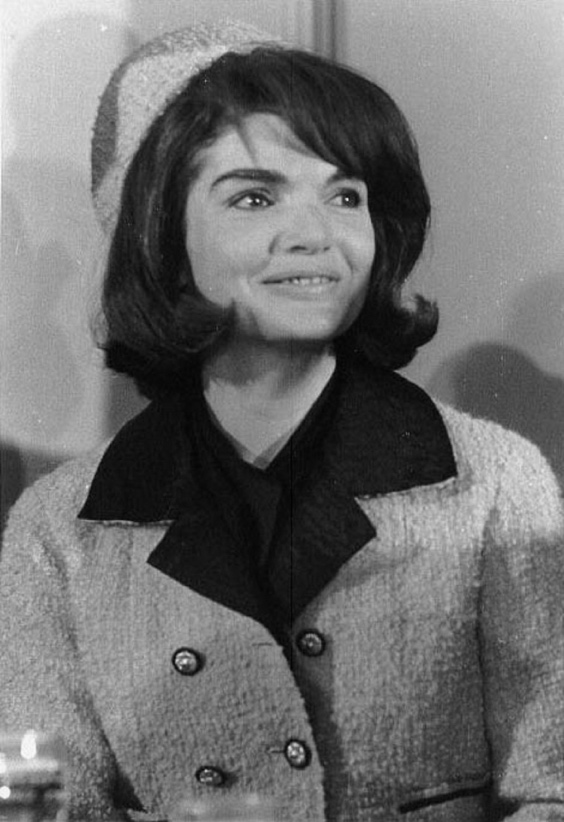
    Due to this tradition, the 35th first lady wore a pink suit from Coco Chanel’s 1961 Fall/Winter line-up on what would turn out to be her husband’s final day. Her ensemble featured:

    • A pink bouclé coat with round gold buttons and a navy-blue lapel
    • A matching pink bouclé skirt
    • A similar pillbox hat
    • White gloves
    • A few pearl necklaces

    Lady Bird Recounts the Assassination

    When President Kennedy was assassinated, Jackie was sitting beside him. Meanwhile, Vice President Lyndon B. Johnson occupied a different vehicle with his wife, Lady Bird Johnson. The latter reported that, as soon as the first shots were fired, she saw “a bundle of pink” in the car’s backseat, which she believes was Jackie covering her husband’s body.

    From Pink Suit to Bloody Symbol

    As Vice President Lyndon B. Johnson took over as the 36th US President, Jackie Kennedy was featured on national television boarding Air Force One wearing the same pink suit, now stained with her husband’s blood—she did this on purpose.

    After arriving at the hospital, she refused to take off the skirt-suit so that her husband’s killers and everyone else could “see what they’ve done.” It reportedly stayed on her person until the morning after.

    Jackie Kennedy Lyndon Johnson

    The Suit’s Whereabouts

    Those who didn’t see Jackie Kennedy in the flesh that day didn’t know the exact shade of the pink suit until November 29th, 1963, when Life Magazine published colorized images in a memorial issue.

    We may never know the whereabouts of the pillbox hat and white gloves, but the forever-stained skirt-suit, stockings, shoes, and handbag that Jackie wore that day were preserved in the National Archives in the 1960s. They likely won’t see the light of day until 2103 due to a deed of gift condition by Jackie’s daughter Caroline.

    Support Kennedys and King to Uncover the Truth Behind the JFK Assassination

    We never get to see Jackie Kennedy’s suit for as long as we live, but let’s not let that be the case with the assassination of John F. Kennedy. Use your platform to advocate for the truth behind one of America’s most high-profile unsolved cases.

    Browse our website for articles, documents, reviews, and other resources regarding the political assassinations of the 1960s, and feel free to share your multimedia here.

  • 4 Things that Make Bobby Kennedy an Inspiration

    4 Things that Make Bobby Kennedy an Inspiration

    Robert F. Kennedy, also known as Bobby or RFK, assumed the position of US Attorney General from 1961 to 1964. In 1965, he became a US Senator, a position he held until his assassination in 1968. Click here for James DiEugenio’s take on the incident.

    Let’s set aside the mystery surrounding his death for two minutes and celebrate this American icon’s inspiring yet sadly short life.

    1. The Ambition to Succeed

    RFK’s ambition to succeed is perhaps best described in his own words. While describing himself as the “seventh of nine children,” he revealed that he had to struggle to survive that far down the order.

    We wouldn’t say he just survived. We appreciate the pressure a young Bobby would’ve felt. Where most would’ve resigned themselves to the role of black sheep, Kennedy continued to fight his way to the top and was eventually successful in his political ambitions.

    2. The Unwillingness to Compromise

    Bobby’s fight to the top wasn’t smooth-sailing. He probably had to choose between his morals and ambitions multiple times. Let us recount one incident we know of when RFK eschewed his ambitions for something that went against his principles.

    One could say Wisconsin Senator Joseph McCarthy capitalized on the Cold War hysteria swirling to abuse his privilege to the extent that wouldn’t go unpunished today. As chairman of the Permanent Subcommittee on Investigations (PSI), McCarthy took Robert, a budding lawyer at the time, under his wing.

    Despite the pressure to prove himself, Kennedy left McCarthy’s side because he disagreed with his “ways” of gaining intelligence from suspected and self-proclaimed communists.

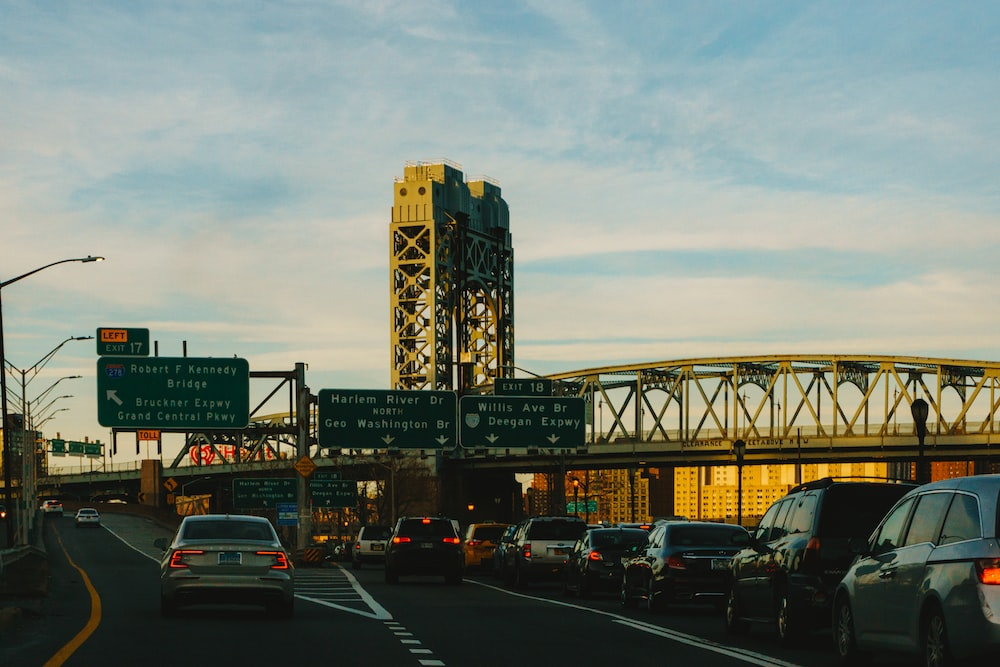
    RFK bridge

    3. The Struggle to Reduce the Wage Gap

    RFK was deeply disturbed and shocked by the living conditions during his visits to urban slums throughout the US. He attempted to draw attention to their plight. He used his position to influence lawmakers to bridge the wage and job opportunity gap, something civil rights activist Martin Luther King had advocated for during the final years of his life.

    Like MLK, RFK focused on self-reliance, so he launched Bedford-Stuyvesant, a project geared towards restoring businesses and creating job opportunities within impoverished communities.

    4. The Fight Against Organized Crime

    Robert Kennedy created a precedent as the 64th US Attorney General by directly prosecuting and exposing organized crime at its peak.

    He almost single-handedly took down organized crime, which had an iron grip on businesses, unions, gambling establishments, and politics, probably inspiring his contemporaries to do the same.

    Visit Kennedys and King to Explore Possible Motives Behind the RFK Assassination

    Look up “RFK assassination” on our search portal to find all the latest updates regarding the assassination of Robert F. Kennedy, including Sirhan Sirhan Parole Application and RFK Junior’s claim that Sirhan Sirhan was not his father’s killer and should, therefore, be set free.

    Get in touch with us to share your thoughts about the RFK assassination.

  • A Closer Look at Bob Dylan’s JFK Song

    A Closer Look at Bob Dylan’s JFK Song

    Bob Dylan was a well-established artist before the 2020 release of “Murder Most Foul.” Click here to listen. The 17-minute song would be Dylan’s longest and boldest work yet. The song reiterates what we’ve been trying to say: President John F. Kennedy was the target of a wide-scale conspiracy—a possible coup d’état.

    It’s high time we took another look at this song to decipher its already clear meaning.

    A Shakespearian Tragedy

    If the title of this song sounds familiar, it’s because it was first introduced by the man who had the ultimate way with words: Shakespeare. The words “murder most foul” were first used in Hamlet, particularly by the dead king’s ghost, when telling Hamlet, his son and heir, about his killer.

    The original phrase alludes to a conspiracy that had gone largely ignored and unquestioned, as pointed out by the ghost. This explains why Dylan used it to allude to a different, more contemporary conspiracy: the assassination of John F. Kennedy, which has also been disregarded and forgotten with every passing generation.

    The Use of “Boys”

    Read the lyrics that come before and after, “Say wait a minute, boys, do you know who I am?” and you’ll realize that Dylan was criticizing the Warren Commission’s “magic bullet” theory about a single bullet hitting more than one occupant in the vehicle, the President and the Governor of Texas.

    Such a feat is nearly impossible for a single killer, and Dylan seems to agree. If he weren’t, he would use “boy” instead of “boys” when describing President Kennedy confronting his killers.

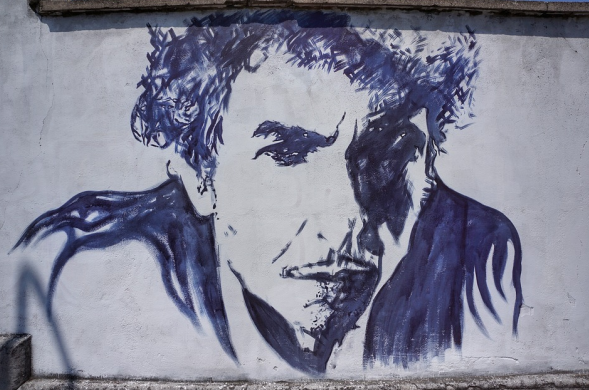
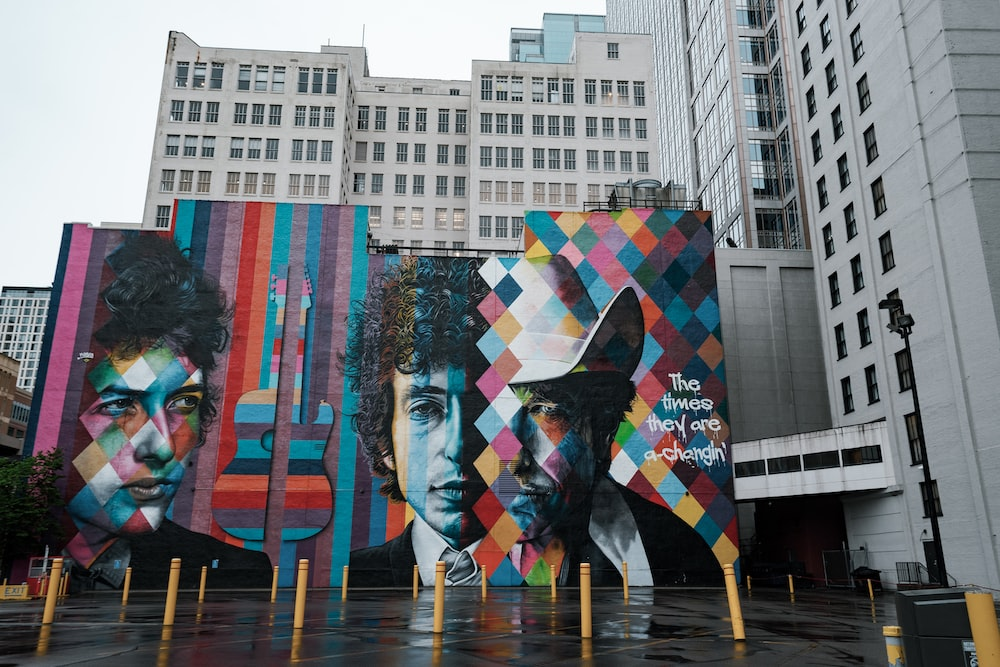
    Bob Dylan mural

    “The Timing Was Right” Indeed

    Right after the above lyric comes another lyric that shouldn’t come as a surprise to anyone who has followed our updates since we were CTKA (Citizens for Truth about the Kennedy Assassination). It says, “Was a matter of timing and the timing was right.”

    The timing here refers to the events that happened right before Kennedy was brutally taken down. After his death, word spread that the assassination might have been an inside job. The President wasn’t on the best terms with the CIA after they butted heads on the Bay of Pigs invasion, and it was rumored that he fully intended to pull US troops from Vietnam.

    These speculations go beyond conspiracy theories because there’s plenty of evidence backing them up. Find it on the Kennedys and King website to learn the truth behind the JFK assassination. Don’t forget to check out this review on the outrageous New York Times interview following Dylan’s song, a work of art that, in our opinion, beautifully summarizes the most infamous political assassination from the 1960s.

    Extend your search to other political murders around the same time, especially the malcolm x assassination, Martin Luther King, and Robert F. Kennedy. The latter was also killed by a so-called “lone assassin” five years later.

    Feel free to contact us to share your thoughts and concerns.

  • 3 Shocking Facts About the JFK Assassination

    3 Shocking Facts About the JFK Assassination

    Nearly 60 years ago, just after noon, the US lost a critical figurehead in the Cold War against the Soviet Union. Condolences came pouring in from all parts of the world as soon as the news got out that US President John F. Kennedy had been assassinated. Click here for a snippet.

    With every public disclosure, we have seen shocking revelation after shocking revelation following the events of that day.

    1. No Dismissals

    The assassination of John F. Kennedy, the Commander-in-Chief of one of the most powerful countries in the world, was by all appearances a major intelligence failure. However, not one person from the FBI, CIA, President Kennedy’s security detail, or the Secret Service lost their job.

    James Rowley, the Director of the Secret Service, retained his position until his retirement in 1973. Moreover, no one from the security detail escorting Kennedy on that last day was relieved of their duties. According to Rowley, everyone was fit for the job, but none came through when the President needed their protection.

    2. Missed Barrel Swabs

    When President Kennedy was assassinated, conducting barrel swabs was a standard procedure. However, the crime labs that received the alleged murder weapon failed to run this test and ignored many other scientific procedures that would’ve proven, beyond a reasonable doubt, whether or not the Mannlicher-Carcano rifle was used in the attack.

    The FBI crime lab technician Robert A. Frazier, testifying in front of the Warren Committee, said they didn’t examine the weapon for metal fouling. The same was the curious case with the Dallas law enforcement crime lab. Most routine ballistics and biological tests were never conducted after this assassination, even though the alleged murder weapon was recovered almost immediately.

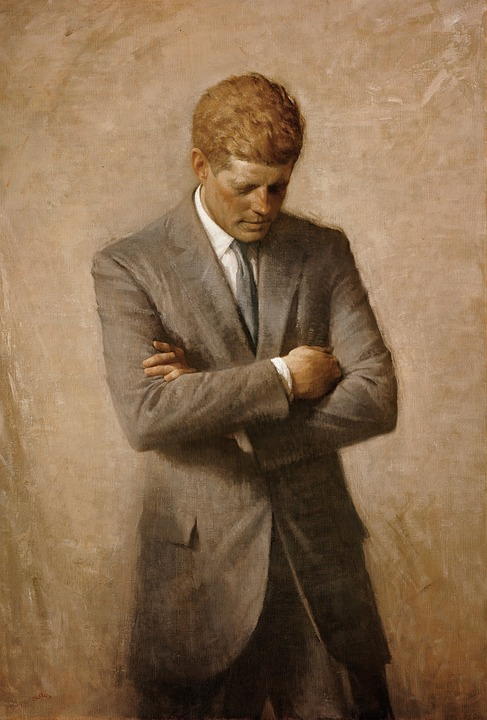
    Kennedy with his head down

    3. No Grand Jury

    We will never stop finding it strange that a US President was murdered in the middle of a packed street, and no grand jury was gathered to investigate it. Grand juries are empaneled when there is an open homicide case at hand.

    Not doing so and forming the highly dubious warren commission results sent a clear message: the government and intelligence don’t consider the JFK assassination an unsolved murder worthy of further investigation but an already solved murder with undefined motives. They were on a fact-finding mission and did not intend to find the real killer(s) and bring them to justice.

    Find More Shocking Revelations on Kennedys and King

    Visit Kennedys and King if you’re on board with us when we say that the JFK assassination was entitled to a proper trial with state prosecutors, public defenders, a grand jury, and a judge. It was robbed of that the day the controversial findings of the Warren Commission were released.

    Read about the events surrounding his death and possible evidence-based motives behind the assassination of John F. Kennedy and other political assassinations of the 1960s.

    Get in touch to share your thoughts and feedback.

  • Revisiting Martin Luther King’s Idea of Universal Basic Income

    Revisiting Martin Luther King’s Idea of Universal Basic Income

    During the last decade of his life, Martin Luther King’s civil rights activism took on a universal spin. He started advocating for equal civil rights for the poverty-struck community, not just the African American diaspora.

    Universal basic income was a part of this economic dream. Let’s discuss this ideal that was so callously interrupted by the assassination of Martin Luther King.

    What is Universal Basic Income?

    Universal basic income would’ve guaranteed that every American got a mandatory middle-class income to make ends meet. Also known as guaranteed income, this would have ensured every citizen a set share of living expenses yearly instead of the minimum wage, which is neither realistic nor sufficient for a college student to pay off their loans.

    modernized version of this welfare recipient program proposed by Charles Murray, a conservative scholar, would see every legal adult get a set sum of $10,000 annually.

    King’s Universal Basic Income

    King’s idea of a universal basic income went beyond anything proposed today. If anything, we should be taking notes from the ideas perpetuated during the ’60s because they were just that ahead of their times.

    King’s vision has gone into great detail about the universal basic income in Where Do We Go From Here: Chaos or Community? A book that would go on to be his last. While acknowledging the government’s overtures to address poverty through education and housing, King also said they weren’t nearly enough to eradicate poverty.

    In his opinion, the government needed a direct approach to ending poverty. In other words, this meant addressing more of the “what” and less of the “why”; the latter wasn’t doing anything to improve their lives.

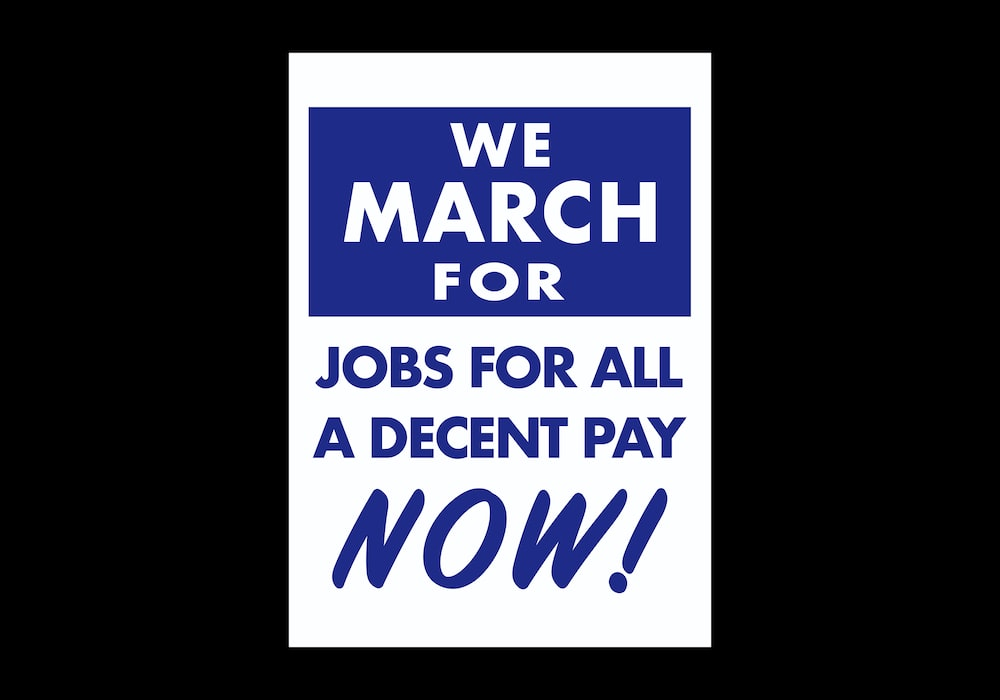
    march for jobs banner

    Create a Universal Basic Income to Create Jobs

    It should be noted that King wasn’t trying to make a case for an income whether or not you were employed. When he said the US wasn’t doing nearly enough for the poor despite growing economically rich every day, he meant that the government—the system—was disregarding the poor because it saw them as inferior.

    If a decent income is what it takes for the system to see these people as equals and provide them with equal job opportunities, a decent, guaranteed income is what they should get. He wanted everyone to work and the government to guarantee a middle-class income by creating job opportunities for conventional and unconventional skill sets.

    The Final Setback

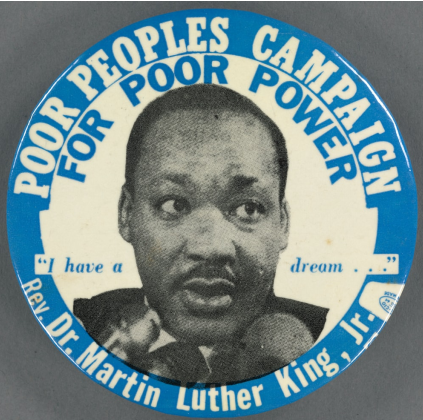
    Universal basic income was an important aspect of King’s Poor People’s Campaign. It had already experienced a setback because of King’s ongoing criticism of the US involvement in the aftermath of vietnam war.

    Its final setback came in the form of the MLK assassination. Visit Kennedys and King to learn more about the events surrounding his assassination, particularly the threat he presented as an important pillar of the Civil Rights Movement.

    Reach out for inquiries and updates.

  • How to Make Every Day Martin Luther King Day

    How to Make Every Day Martin Luther King Day

    Martin Luther King Day is celebrated on the third Monday of every year, a day before the civil rights leader was officially born. Click here to see how we did it in 2017. It’s a day to not only celebrate the life and legacy of a great leader but also to teach his ideas of freedom and racial equality to a whole new generation.

    Check out the following ideas to make every third Monday an MLK Day.

    Prepare an Interactive Presentation

    Keep this unofficial MLK Monday simple by informing young kids about King, but make it interactive through a colorful presentation and lots of opportunities for input.

    Treat the quiz part of your presentation as a pop-up book. For instance, blank out the “dream” in “I have a dream” and follow it with a slide depicting the blanked word. Sprinkle these small quizzes throughout the presentation to retain their attention from start to end.

    Encourage Mixed Interaction

    MLK’s “I Have a Dream” speech defined his entire struggle. It spoke of a world where people of all races would unite and create a just and equal world. Unfortunately, a large part of his dream remains unrealized due to a racist system that promotes modern-day segregation.

    If you know what we’re talking about, you know what we mean by encouraging mixed interactions. Don’t let the different experiences of these kids stop them from mingling. You can get your students to sit with someone else for a change if you’re a teacher. You can do this during lunch, homeroom, or class. Do this every month for long enough, and you’ll see a level of comfort between students.

    students in a library

    Speak on Equal Civil Rights

    Take this chance to mold your kids into future leaders. King is best known for “I Have a Dream,” a speech he gave during the March on Washington. Make your children read the transcript of that speech, and sit with them to write an equally riveting piece of text about equal civil rights.

    Encourage your children to write exactly how they want to see the US one day. You can create a bullet point sheet of their ideal future and then ask them to use these points and turn them into a speech, emulating MLK’s style.

    Assign a Reading Task

    You don’t have to be a teacher to assign your kids a reading task, not with Kennedys and King at your disposal. Suppose you want your children to learn nothing but the truth behind the Assassination of Martin Luther King. In that case, we suggest taking excerpts from our archives, preparing multiple-choice and fill-in-the-blank questions, and assigning them as an individual, pair-or group-based reading comprehension activity.

    Follow suit with the other political figures covered by our platform. Browse our website to take a closer look at the assassinations of John F. Kennedy, Bobby Kennedy, Martin Luther King, and Malcolm X.

    Get in touch to share feedback and concerns regarding our content.

  • How the JFK Assassination Changed American Politics

    How the JFK Assassination Changed American Politics

    The assassination of John F. Kennedy wasn’t the first attempt of its kind. Like its predecessors, this unsolved political murder made the people stop and mourn the loss of a great leader. It also led to many changes in the following years. Click here for JFK assassination archives.

    Below is an overview of how the assassination revolutionized American politics.

    The Civil Rights Act Was Passed Earlier

    After President Lyndon B. Johnson took office in 1964, he and his allies got the Civil Rights Act—one of his predecessor’s agendas and his campaign pledge—passed. While Kennedy prevented segregation bills from being passed, he faced strong opposition and resistance regarding American civil rights in Congress.

    However, despite all the pressure and resistance, he was determined to propose his bill in 1964. After his death, the baton passed to his brother Bobby Kennedy, who was equally determined to see it through. While the bill was always meant to be tabled in 1964, his assassination certainly escalated its passing.

    The Cold War Got a New Life

    Kennedy gained public favor after the way he resolved the Cuban Missile Crisis by having back-door discussions with Nikita Khrushchev through trusted third parties. Just when the US and Russia were on the verge of a full-scale war, Kennedy extended a well-received deal to the then-Russian premiere.

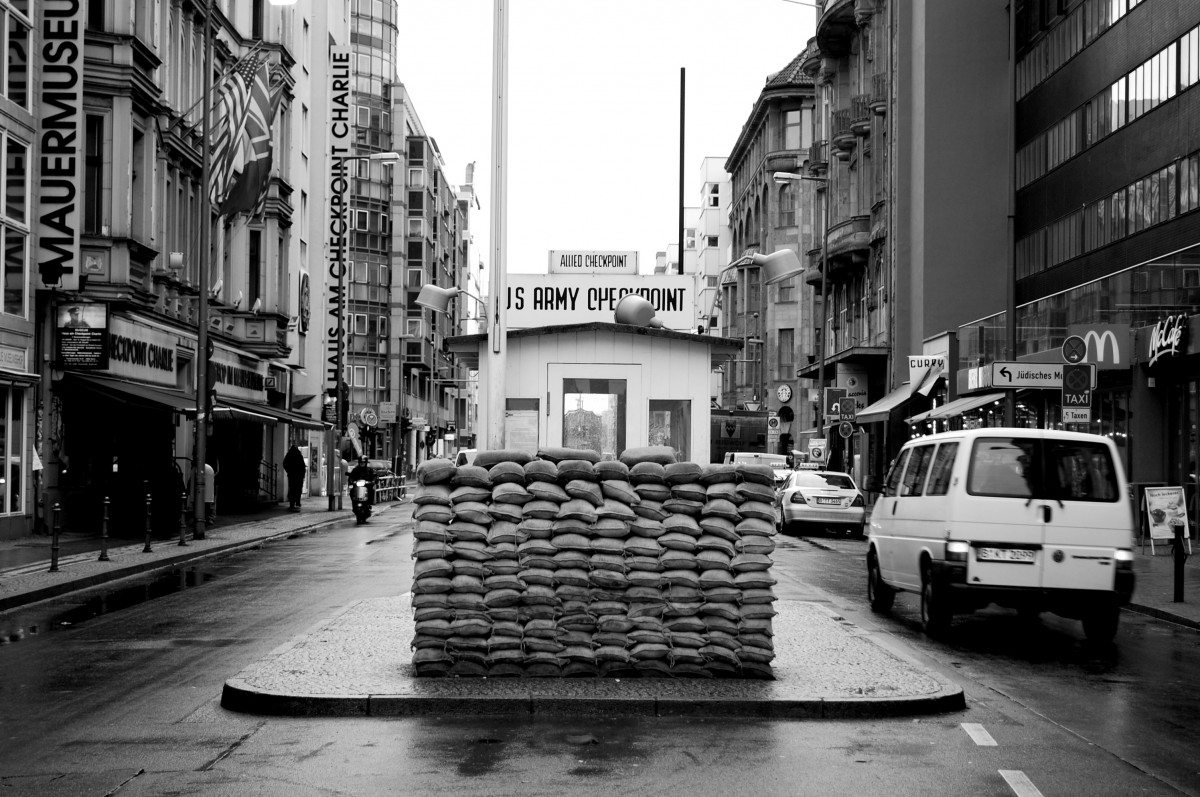
    Unfortunately, Kennedy’s assassination happened at the height of the Cold War. Russia restored its aggressive, hardline stance against the US after Presidents Lyndon, Nixon, Ford, and Carter took office, and the Cold War continued to rage on until the fall of the Berlin Wall. Thus, the JFK assassination lengthened the Cold War.

    Cold War

    More Lives Lost in the Vietnam War

    Kennedy wanted to send advisors instead of troops to Vietnam, as evidenced by the disclosed planning documents dated two days before his death. His previous resolution patterns during the Cuban Missile Crisis and Bay of Pigs Invasion made it clear that he preferred diplomatic solutions to military interventions. Koji Masutani’s2009 movie, Vietnam If Kennedy Had Livedsupports this idea.

    When Johnson took office, he manipulated Congress to approve a disastrous resolution that allowed him to infiltrate Vietnam by sending thousands of troops. In the end, the Johnson and Nixon administrations supported a war that lasted tenodd years and killed 58,220 American troops and more than a million Vietnamese people.

    The Civil Rights Act wasn’t the only good thing to come out of the assassination of John F. Kennedy, nor were the Vietnam and Cold Wars the only consequences of his death. Learn more about the years following his death at Kennedys and King. Please support our cause, help us learn the truth behind the political assassinations of the 1960s, and be the first to discover newly disclosed documents related to the JFK assassination.

    Contact us to share your insights and thoughts.