Blog

  • Who Else Fell Victim to the JFK Assassination?

    Who Else Fell Victim to the JFK Assassination?

    President John F. Kennedy was assassinated on November 22, 1963, while passing through Dealey Plaza inside an open motorcade with his wife, Jacqueline Kennedy, John Connally, the then-Governor of Texas, and his wife, Idanell Connally. Click here for more details.

    Kennedy wasn’t the only person to lose his life in the attack, nor was he the only victim, surviving or otherwise.

    John Connally

    The Texas Governor met Kennedy the day before the assassination. He had been the governor for tenmonths and had already accompanied the President in San Antonio and Houston. After a quick stop at Forth Worth, they flew to Kennedy’s final destination, Dallas. 

    When the first shots rang out a little after noon, Connally clearly remembers feeling like someone had punched him twice in the back. He was soon covered in blood and viscera that he, at the time, thought was his own before passing out.

    Connally ultimately survived the attack, but not before undergoing surgery for several injuries encompassing his thigh, wrist, chest, and back. While he generally agreed with the controversial findings of the Warren Commission, he disagreed with the single-bullet theory.

    J.D. Tippit

    J.D. Tippit has been a law enforcement officer for the Dallas Police Department for 11 years at the time of the assassination. He was no stranger to violence, having served in World War II and sustaining multiple injuries as a cop.

    The day of the assassination started just as any other day for Tippit. Official accounts place him on duty patrolling nearby Oak Cliff, and his alleged time of death was roughly 45 minutes after the attack on Kennedy. The official accounts place him talking to the alleged assassin and getting shot to death soon after, but we know to take such testimonies with a grain of salt.
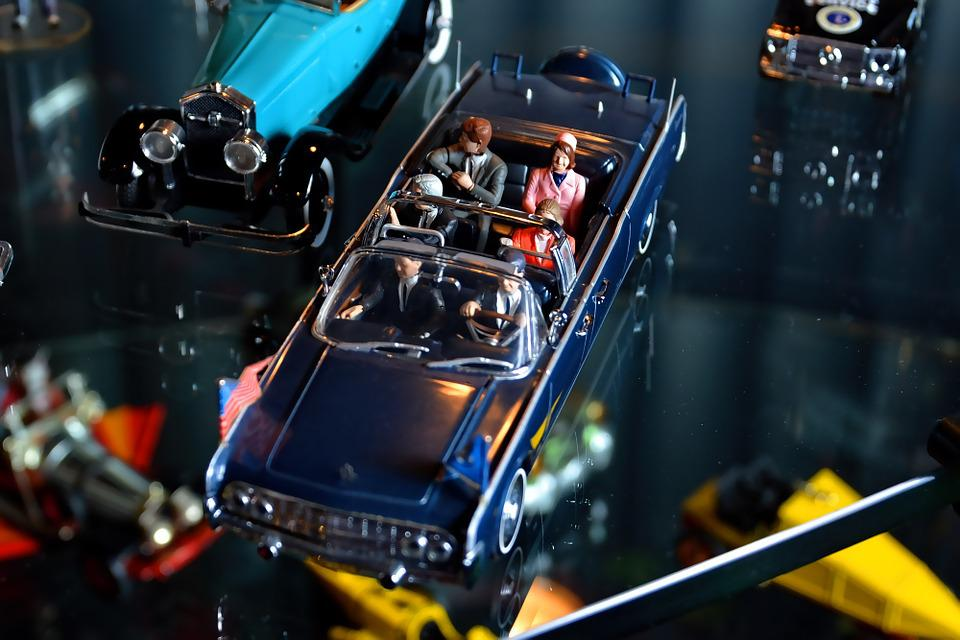
    motorcade

    James Tague

    James Tague isn’t your average JFK assassination victim. However, before making a career out of the incident, he was a regular car salesman. On the day of the murder, he was stuck in traffic on his way to meet his fiancée for lunch.

    As he got out of the vehicle, a misfired bullet reportedly hit the curb next to him and sent debris flying everywhere, including his right cheek. His injury was minor, but it became a turning point in his life. Although he initially agreed with the findings of the Warren Commission, he later recanted his statements and has even published two books presenting alternate solutions to the Warren Commission.

    At Kennedys and King, we seek to denounce conspiracy theorists and seek the truth behind JFK assassination. Please contribute to our cause to advocate for full public disclosure ofthe political assassinations of the 1960s, including those of Martin Luther King, Robert F. Kennedy, John F. Kennedy, and Malcolm X.

    Reach out to share your thoughts and comments.
  • How the World Reacted to the JFK Assassination

    How the World Reacted to the JFK Assassination

    We all know how John F. Kennedy was assassinated. What we don’t know is who had him murdered. See how far we have come in solving this mystery here.

    While the search for his killer(s) continues, let’s examine how the world reacted to the John F. Kennedy assassination.

    Disbelief in Taiwan

    Taiwan has been one of the most long-lasting strategic allies of the US. The assassination of John F. Kennedy left the country nonplussed and aggrieved.

    If Generalissimo Chiang Kai‐shek’s words are to be believed, their genuine shock had to do with a perception of the bulletproof security detail provided to chiefs of state. Before President Kennedy’s murder, the assassination of a president was unheard of in Taiwan.

    Empathy in Hong Kong

    Hong Kong termed President Kennedy’s death a not quite “purely American loss.” Kennedy’s stands in the Cuban missile crisis and South Vietnam made him quite popular in Southeast Asia.

    At the time of his death, the US was also winning against rival communist countries in Asia. Many in Hong Kong believed the assassination would significantly weaken America’s position.

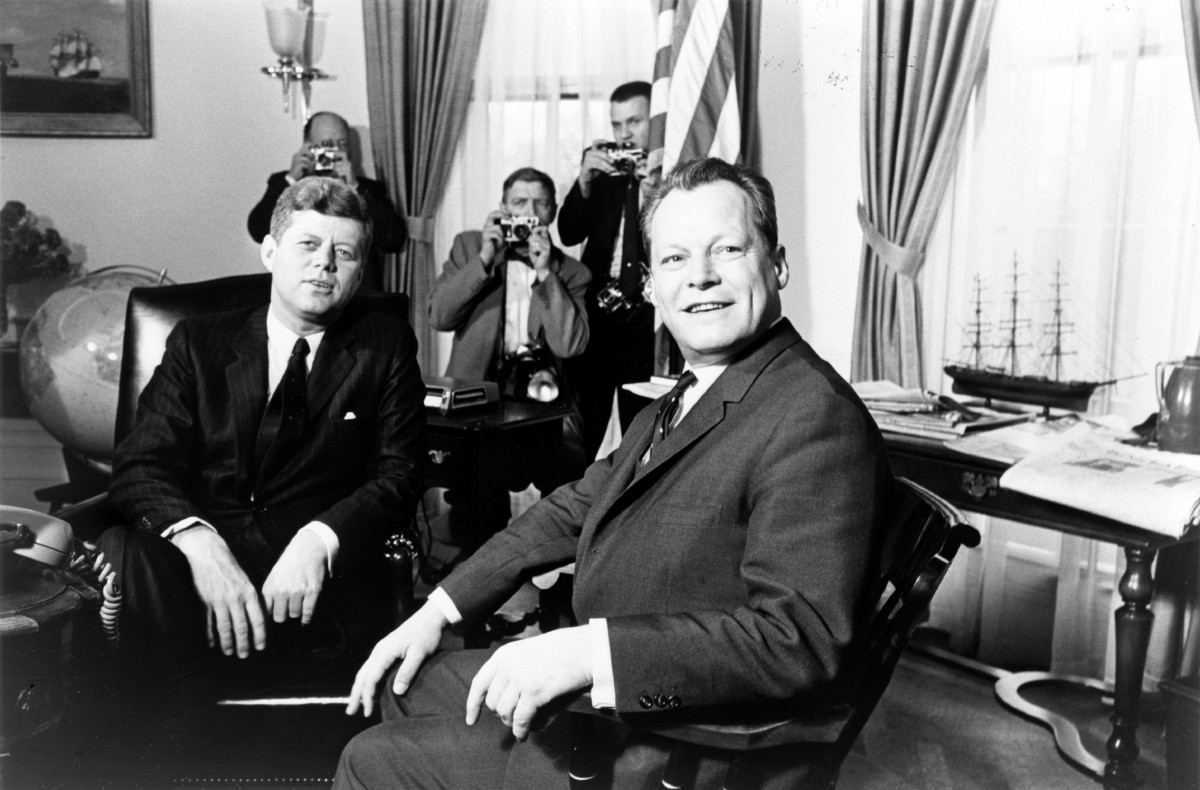
    Kennedy with German chancellor

    Morbid Curiosity in Israel

    Save some Orthodox Jews who eschewed tuning into the shocking news for Sabbath, Israelis were drawn to their radios following the news of the JFK assassination. While the president had passed away on his way to the nearest hospital, news spread much slower in those days.

    However, it still spread much faster than any other news. The US Ambassador to Israel at the time, Walworth Barbour, also made a radio appearance, thanking the Israeli people and founder and first prime minister of the State of Israel, David Ben‐Gurion for expressing their condolences.

    Condolences from Greece

    An outpouring of support and condolences emerged from Greece following the President’s assassination. Among the JFK tributes was a book of condolences signed by 2,000 Greeks at the US embassy in Athens.

    The country’s then-Prime Minister expressed his condolences and credited President Kennedy for extending mutual peace between the countries. He also welcomed continued cooperation with the new President, Lyndon B. Johnson.

    Join the Online Quest for Truth Behind the JFK Assassination

    Join Kennedys and King in its quest for the truth behind the political assassinations of the 1960s. Review our findings and analysis on the John F. Kennedy assassination and delve deeper into the unsolved political murders of Malcolm X, Robert F. Kennedy, and Martin Luther King.

    You can also contribute to our cause through donations, articles, phone trees, podcasts, and other multimedia through which you can demand the disclosure of documents and investigation findings.

    Reach out to ask questions and help us find answers to some of our own.

  • The Civil Rights Movement vs. The BLM Protests: A Comparative Analysis

    The Civil Rights Movement vs. The BLM Protests: A Comparative Analysis

    The Civil Rights Movement was marred by the Malcolm X and Martin Luther King assassinations. More on that here. On the other hand, the Black Lives Matter protests were incited by the extrajudicial killings of George Floyd and Breonna Taylor. They happened amid an economic recession, nationwide lockdown, and climate change concerns.

    Let’s see how close a resemblance the BLM protests bear to the CRM.

    The Purpose

    CRM was a social movement against systemic racism and segregation between the mid-1950s and late-1960s.

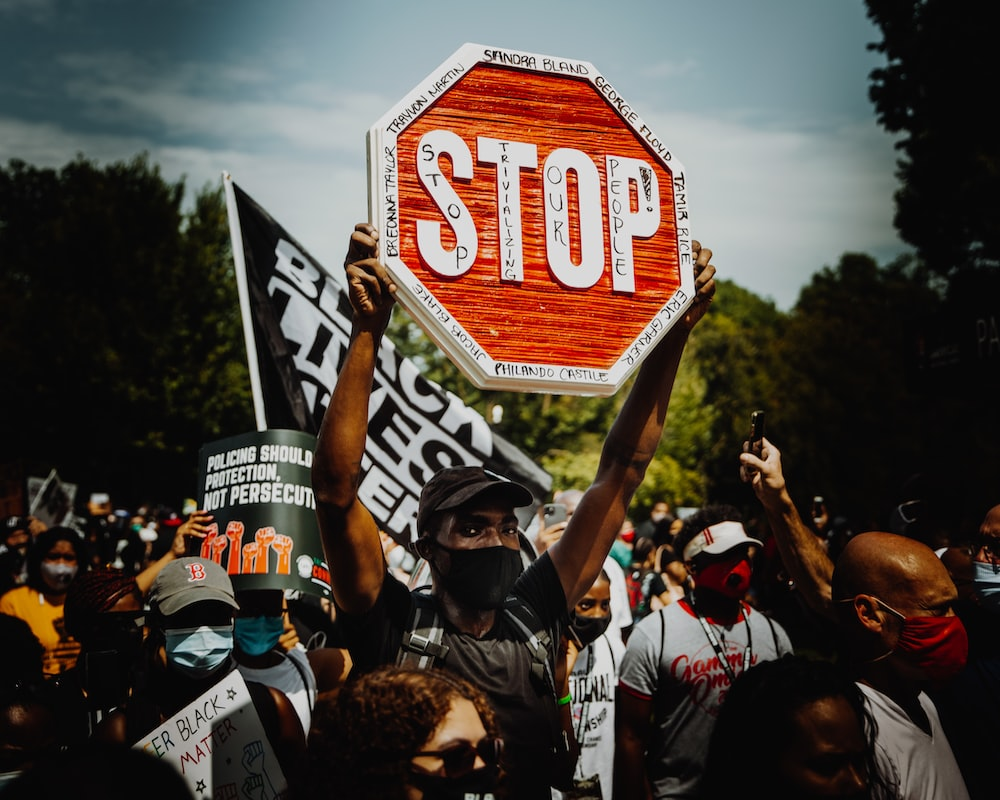
    While CRM happened within the US, BLM was more of an international movement that started within the US but quickly spread to neighboring Canada and across the pond. Its main goal was to end racially motivated police violence against the black community.

    The Dissemination of News

    There was no Twitter or Facebook—no internet—during the ’50s and ’60s. During this time, the CRM found an unlikely ally in the press. Previously overshadowed by news about white people and reportage of black criminal activity, the white press soon found competition in the black press. The African American media became an avenue of protest and a way to spread the word for civil rights activists.

    Conversely, it was much easier to disseminate news during the BLM protests. The movement began using the hashtag #BlackLivesMatter to keep people updated, pressurize the criminal justice system and Congress to do right by the victims, and pass police reform bills.

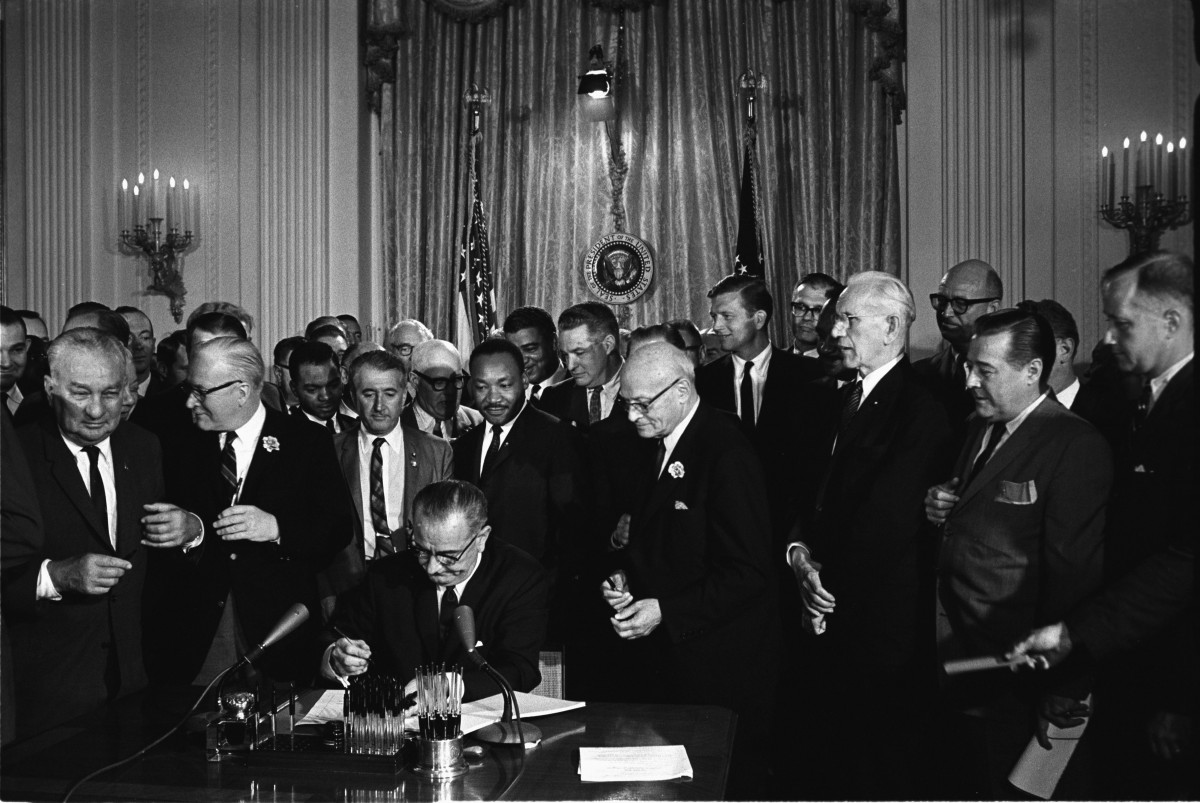
    Civil Rights Act signing

    The Power of Boycotts

    Both movements are non-violent. They were carried forward through peaceful protests, fliers, news media, and boycotts. The latter was an incredibly powerful force for positive change during the CRM.

    Take the Montgomery Bus Boycott, for instance. Announced by the Montgomery Improvement Association after Rosa Parks was arrested for violating segregating laws, this 381-day boycott brought the operating bus company to its knees.

    Conversely, BLM protestors carried out a Black Friday boycott in Ferguson when a grand jury decided not to indict the killer of a black teen, resulting in an 11% reduction in sales in 2014.

    More Comparative Analysis to Come on Kennedys and King

    Share your comparative analysis with Kennedys and King, a platform dedicated to uncovering the truth behind the political assassinations of the 1960s, including the murders of Civil Rights leaders like Martin Luther King and Malcolm X. Contribute by spreading the word and sharing relevant multimedia and donations.

    Do you think there’s another way to extend our message to the masses? Feel free to share!

  • 3 FAQs About the Malcolm X Assassination—Answered!

    3 FAQs About the Malcolm X Assassination—Answered!

    Malcolm X was assassinated on February 21, 1965, while speaking at Harlem’s Audubon Ballroom. His death was quickly chalked up to bad blood between Malcolm and the Nation of Islam (NOI). The truth is anyone’s guess.

    Related: The Hidden Hand: The Assassination of Malcolm X

    Since the investigation into this assassination left more questions than answers, we’ve taken it upon ourselves to answer some of those questions.

    1. How Bad Was the Blood Between Malcolm X and NOI?

    Malcolm X cut ties with NOI in 1964, shortly before his death. His decision to leave didn’t come out of the blue. He was deeply uncomfortable with Elijah Muhammad’s infidelity and disheartened by NOI’s inaction against the LA police department’s violent behavior towards Muslims.

    The last straw was Malcolm breaking an important NOI policy about not reacting to John F. Kennedy’s assassination. Malcolm did, calling it “the chickens coming home to roost.” He left soon after being silenced from saying anything else about the incident. At the time of his assassination, he was widely seen by many NOI members as a traitor.

    2. How Did the Government Treat Malcolm X?

    It was rare for civil rights organization members not tobe under 24/7 surveillance by the FBI and law enforcement, and even rarer for these organizations to not have at least one FBI informant within their ranks.

    Malcolm was no exception. The FBI started surveilling him in March 1953. Their special infiltration unit, the Bureau of Special Services (BOSS), possibly infiltrated the organizations that Malcolm set up after leaving NOI.

    He was widely seen as a threat by law enforcement agencies, as evidenced by the communique by the then FBI Director J. Edgar Hoover that read, “do something about Malcolm X.”

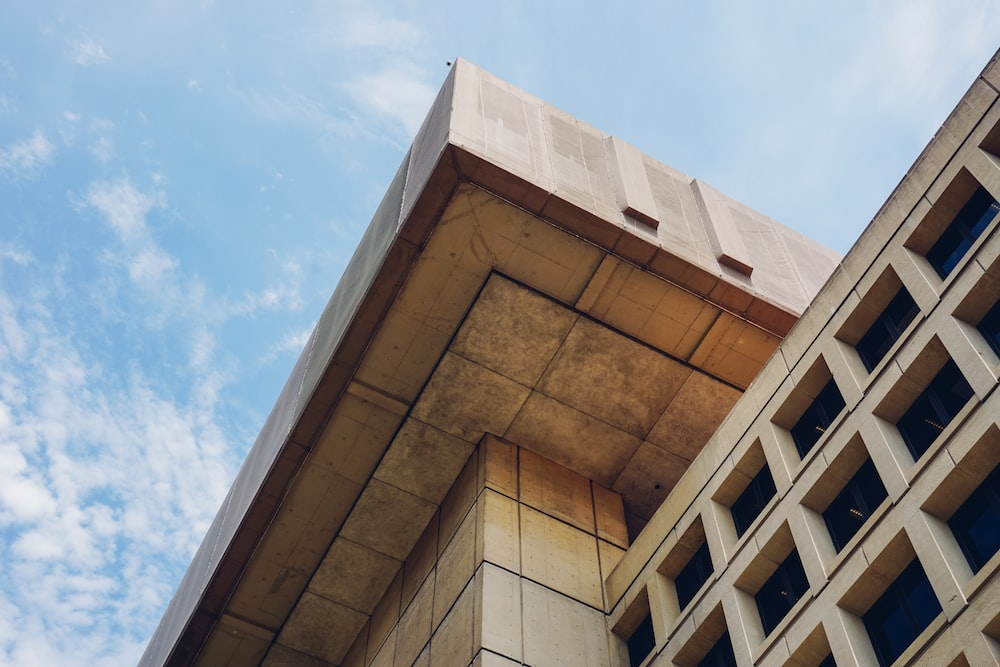
    FBI building

    3. Were There Any Threats Made to Malcolm X?

    A week before his assassination, Malcolm X was asleep with his wife and children at his New York City residence when it was firebombed. No charges were made—it’s not like such antics against activists were rare in those days.

    It’s not clear whether the ones who made the threat ultimately killed him. However, the incident was nothing if not serious and was sure to have driven home the threat to his life and that of the people near and dear to him. Be that as it may, it didn’t prevent Malcolm from speaking out about the incident.

    Uncover the Mystery Surrounding the Malcolm X Assassination

    As the convictions of those accused of killing Malcolm X are overturned, join Kennedys and King to uncover the truth behind the incident once and for all. Go through our multimedia to know more than you ever have about the political assassinations of the 1960s, including the unsolved political murders of the Kennedy brothers, Martin Luther King, and Malcolm X.

    Get in touch to share your thoughts about our cause.

  • Highlights from MLK’s “Beyond Vietnam” Speech

    Highlights from MLK’s “Beyond Vietnam” Speech

    A little over 55 years ago, Martin Luther King gave a speech titled “Beyond Vietnam: A Time to Break Silence” at New York City’s Riverside Church. It divided the nation and drew heavy criticism from major newspapers, political organizations, and fellow activists. Exactly a year later, he was assassinated. Click here for details.

    The Point of “Beyond Vietnam”

    “Beyond Vietnam” was the first time MLK went on record to state his opinion on the Vietnam War. He was addressing a gathering of 3,000, so it was guaranteed to elicit a reaction.

    King categorically condemned the Vietnam War, calling it an economic and human burden on the country’s poor working class. He called for the resources being spent on the war to be redirected to equal rights for America’s minorities.

    His opinions drew the furor of many and the support of some. The former either termed it unpatriotic or claimed it threw a wrench in the civil rights movement Malcolm X by making it an extension of the more radical peace movement.

    Following are the highlights from his memorable, opinion-shaping speech.

    “An Enemy of the Poor”

    By terming war “an enemy of the poor,” MLK meant that the Poor People’s Campaign, which was flourishing before the war, was in shambles as soon as those very poor people were sent off to a senseless war.

    The civil rights leader sounded resigned when he said he knew better than to think the US government would ever divert funds towards rehabilitating the country’s poor white and black people.

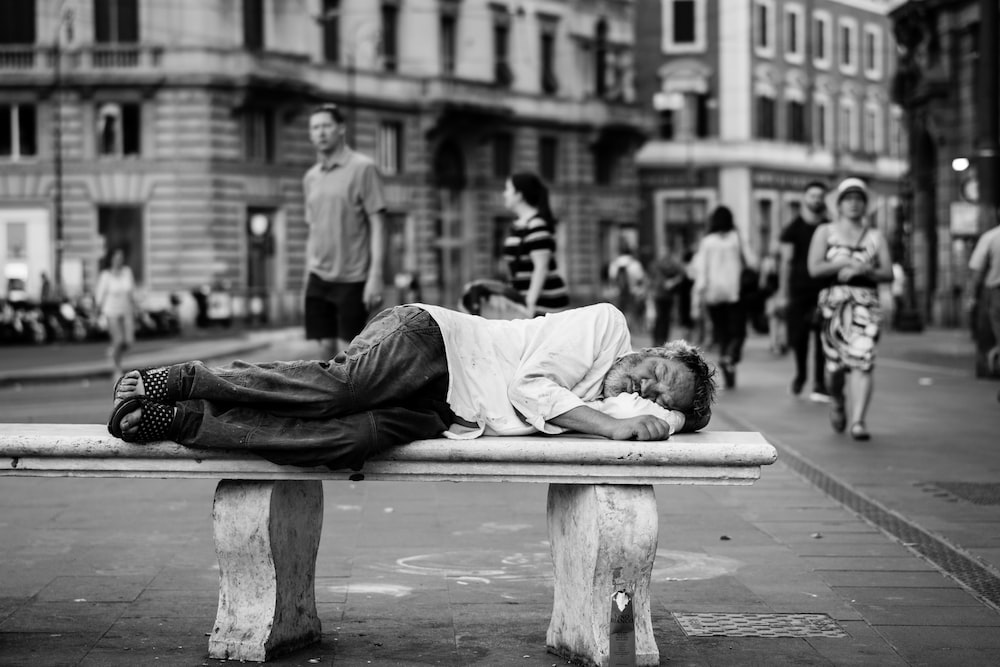
    homeless man

    “In Brutal Solidarity”

    King used the word “in brutal solidarity” to describe white and black people who were united in the cruelest way possible. They were being sent 8,000 miles away from home to guarantee freedom and restore the rights of an entirely different population when they hardly had any civil rights at home.

    Instead of seating white and black students together, we’re uniting them in a matter of life and death. He called it a “manipulation” of America’s poverty-stricken community.

    “This Self-Defeating Path”

    King termed hate a “self-defeating path,” saying he wanted his country to stop worshipping concepts of hate and revenge. Although uttered 55 years ago, his words are just as relevant today because the US has not learned from history. Its foreign policies continue to override the issues back home that have worsened due to neglect and lack of effective action.

    By uttering those words, King wanted his country to take the high road, let bygones be bygones, and focus on its development.

    Coming Back to the Martin Luther King Assassination

    Martin Luther King gave his famous speech on April 4, 1967. Ironically, he was assassinated on April 4, 1968. The dates might be a coincidence, but the coverups that followed his assassination are no coincidence.

    Stay tuned as we challenge and debunk the many lies that have permeated the mainstream since the Assassination of Martin Luther King, John F. Kennedy, Robert F. Kennedy, and Malcolm X.

    Get in touch to contribute your thoughts, resources, and insights.

  • Taking Sides: Malcolm and Martin During the Civil Rights Movement

    Taking Sides: Malcolm and Martin During the Civil Rights Movement

    Although Malcolm X and Martin Luther King Jr. wanted equality and justice for their community, their visions were like two sides of the same coin. Unlike King, Malcolm X didn’t believe in racial integration or support the civil rights movement facts.

    In today’s Kennedys and King update, let’s explore these two political figures and where their paths met and diverged.

    Parallels Near the End

    Malcolm X flipped the script completely after returning from his pilgrimage to Mecca. After endorsing separation and promoting self-defense rhetoric his entire life, the activist started promoting brotherhood regardless of one’s race. This change was inspired by the integration, peace, and harmony between pilgrims in Mecca.

    He publicly recognized wanting the same thing as Dr. King: freedom. However, that was hardly the case for most of the minister’s life.

    Martin’s Interpretation of Freedom

    While King and Malcolm X wanted to free their community from the shackles of their brutal past, their approach was as different as day and night. King supported non-violence.

    He advocated for equal rights for all of humanity but never used unprovoked violence as the means to achieve them. The bills signed into law thanks to King’s contributions supported integration, not further segregation and isolation of the African American community.

    King only hired armed security detail when his Montgomery house was firebombed. In other words, he took up arms to safeguard the Civil Rights Movement, not to add an element of violence to it.

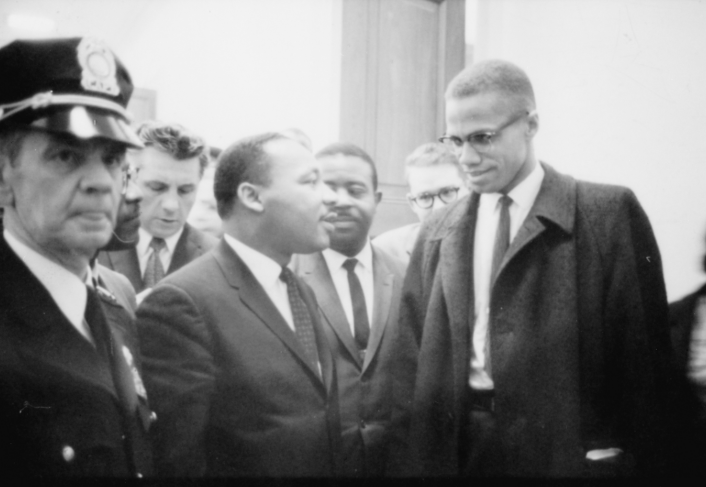
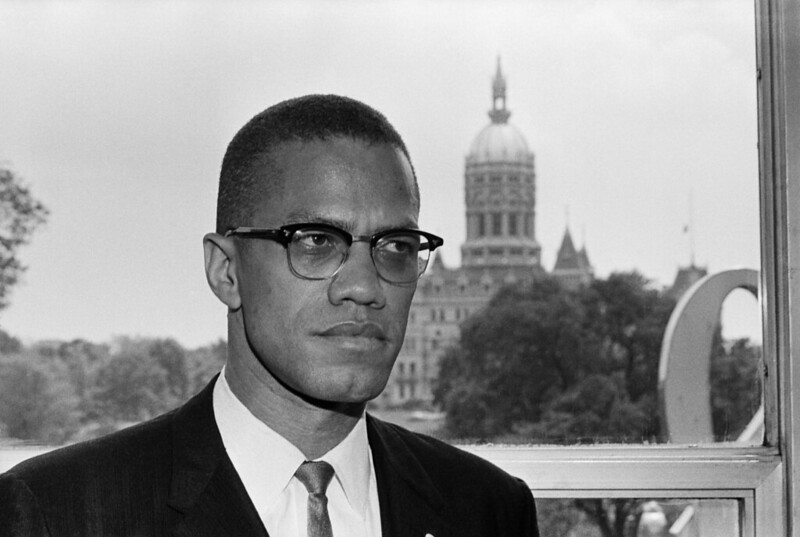
    Malcolm X

    Malcolm’s Interpretation of Freedom

    On the flip side, you have Malcolm X, who, unlike King, preferred street corners over churches. Embittered by the cruel way his elders were abducted from their homes, he denied being an American for most of his life. He even changed his last name to “X”, effectively removing the last name given to his forefathers by their masters.

    Unlike King, Malcolm’s allegiance to the Nation of Islam made him seek a separate, not united, society for his people. While he recommended self-defense over unprovoked police violence, his motto was “by any means necessary,” which one could interpret as a defense to any threat, even if that wasn’t his intention.

    The Road from Scorn to Admiration

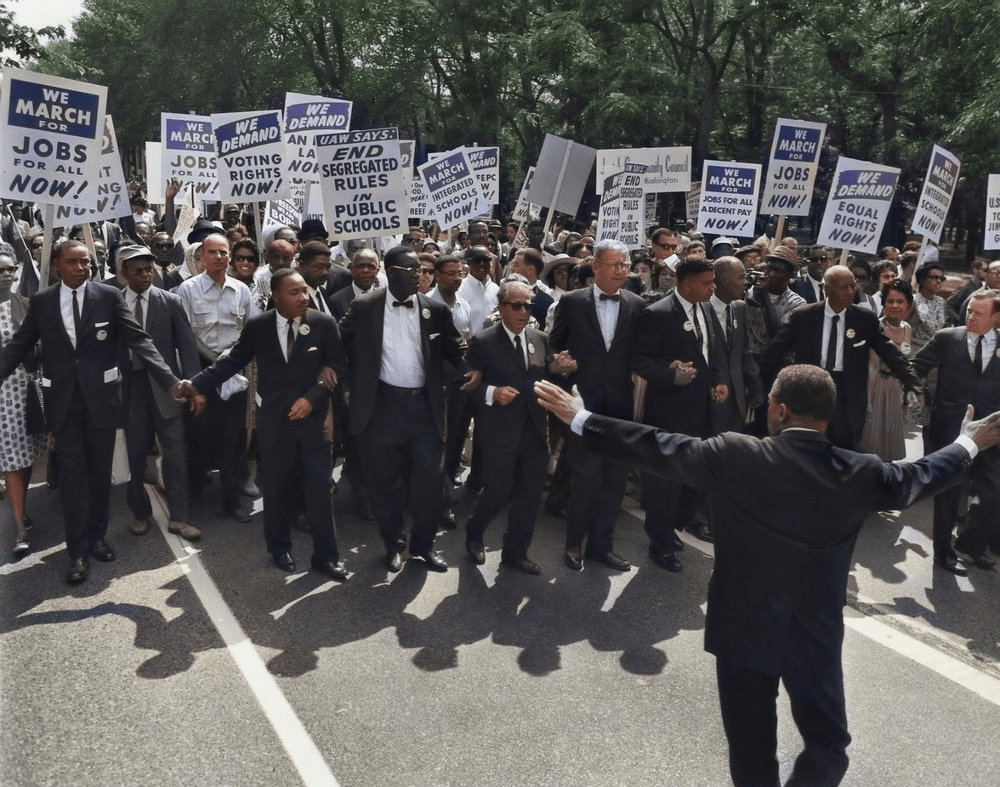
    Malcolm X wasn’t all praise for Dr. Martin Luther King Jr. from the onset. He openly mocked and criticized the Civil Rights Movement, even going as far as to call the historic March on Washington a “farce” and “circus.”

    However, that all changed after the pilgrimage to Mecca and the ensuing estrangement with the Nation of Islam. Learn how Malcolm X perceived the Civil Rights Movement and Dr. King’s role before he joined the political assassinations of the 1960s on Kennedys and King. Delve deeper into the events before and after the malcolm x assassination and see how you can help us uncover the truth behind the political murders of that decade.

    Contact us for more information.

  • Revealing the Minute Details of the MLK Assassination

    Revealing the Minute Details of the MLK Assassination

    This year marks the 54 years since Martin Luther King Jr. traveled to Tennessee to support 1,300 sanitation workers in their quest for equal rights. It wasn’t his first stop, but that fateful evening on April 4, 1968, at exactly 6:05 p.m., it would prove to be his last.

    Today, Kennedys and King take you further into the events of the day of this brave leader’s assassination.

    A Death Prompted by Death

    MLK’s death wasn’t directly prompted by death; it was more of a butterfly effect—a melting pot that had gone unwatched for quite a while. Let us explain.

    • February 1, 1968: A garbage truck malfunctions, killing two sanitation workers.
    • February 12, 1968: After several attempts at negotiating better working conditions for Black sanitation workers, a strike is announced, picket lines are erected, and signs are held to protest poor working conditions for Tennessee’s sanitation workers.
    • April 3, 1968: King and his aides arrive in Memphis to support the protest.
    • April 4, 1968: King falls after someone fires a single shot from a high-powered rifle.

    MLK quote

    The Reason Behind Staying at the Lorraine Motel

    When MLK checked into Room 306 at the Lorraine Motel on April 3, 1968, he had no idea it would become a crime scene the next day. His reasons for staying at the motel were simple: it was one of those rare places that hosted African American guests.

    A few hours after checking into the motel, King gave his last public speech at Mason Temple Church. Famously titled “I’ve Been to the Mountaintop,” a slightly under-the-weather MLK would end up talking about his mortality, entirely unaware of his impending demise.

    The Details of the Martin Luther King Jr. Assassination

    We all know that MLK was standing on the balcony of his room when he was shot. But why was he there? There are more what-ifs in his assassination than any other political assassinations of the 1960s:

    • What if MLK hadn’t been invited to have dinner with Reverend Samuel Billy Kyles at his home?
    • What if he hadn’t emerged on the balcony of his room?
    • What if Andrew Young hadn’t asked him to get his coat?
    • What if the fatal shot had landed on his shoulder instead of his face?

    The activist and leader died an hour after a single rifle shot shattered his jaw and spinal column and severed his spinal cord.

    Discover the Aftermath on Kennedys and King

    Do you want to know what happened after the assassination of Martin Luther King Jr.? Explore the manhunt that followed his demise and the documents revealed since the events of that fateful day in April 1968 on Kennedys and King.

    Read our articles, blogs, and archives to learn the truth behind the political murders of the 1960s, particularly those of Malcolm X, Robert F. Kennedy, John F. Kennedy, and Martin Luther King Jr.

    Reach out to know how you can contribute to our cause.


  • The Events that Shook America After Martin Luther King Jr.’s Death

    The Events that Shook America After Martin Luther King Jr.’s Death

    Dr. Martin Luther King Jr. succumbed to his injuries on April 4, 1968, an hour after James Earl Ray, a con artist who was supposed to be serving a 20-year sentence, shot him in the face.

    In today’s blog, Kennedys and King brings you some notable events that made up the aftermath of the martin luther king assassination.

    Major Riots Follow Regardless

    When CBS Evening News reported King’s death, the host added Walter Cronkite added a message a request by America’s president at the time, Lyndon B. Johnson. It was a message to heed King’s message of non-violence, peace, and harmony legacy.

    However, these words appeared to fall on deaf ears because the news report was followed by riots in at least 100 cities across the US, particularly in Black neighborhoods. They were so intense in Baltimore and Chicago that the National Guard and Marines had to intervene.

    riots

    Coretta Scott King Leads a Silent March

    Only four days after the assassination of Martin Luther King Jr., his wife Coretta Scott King flew to Memphis on a plane arranged by Robert F. Kennedy. Her motive for going to Memphis wasn’t to start a protest or say something to incite violence but to continue her husband’s legacy and mission.

    She organized a march for the country’s African American sanitation workers, which a crowd of 40,000 people moving through the streets eerily silent in their vigil attended.

    Lester Maddox Refuses to Mourn

    The news of MLK’s death brought mixed reactions. Had people been unified in their outrage and anger at such a senseless murder, the riots would’ve encompassed more than 100 cities.

    On the one hand, the African American community was almost united in its confusion, grief, and anger at what may have been a hate crime. The white majority was mixed in its reaction; some grieved the loss of the Civil Rights leader, some remained silent, and a small number in the South were critical and outright rebellious.

    Lester Maddox belonged to the latter category. The Governor of Georgia refused to participate in the National Day of Mourning and threatened to raise the flag outside the statehouse to full mast.

    James Earl Ray Flees to No Avail

    James Earl Ray was a prison escapee, a fugitive of the law when he killed MLK. His crime led to a two-month-long chase across five countries and cost more money than the conman was worth.

    The authorities caught up with the assassin in London and brought him back to the US, where his fate was sealed with a 99-year sentence.

    MLK’s death was one of the cogs in a wheel that forced the United States to change history. Learn more about this assassination and the other political assassinations of the 1960s at Kennedys and King. Contribute facts about James Earl Ray, Lee Harvey Oswald, causes of the Civil Rights Movement, and other people and events related to the political murders in the ’60s.

    Get in touch for further assistance.

  • The Tumultuous Life of An Alleged Killer: James Earl Ray

    The Tumultuous Life of An Alleged Killer: James Earl Ray

    At a glance, James Earl Ray ticks all the boxes of someone who killed a leader of the Civil Rights Movement. He frequently committed petty crimes, supported George Wallace, and wanted to move to Rhodesia (present-day Zimbabwe) to join its strong white community.

    While doubts surrounding his ultimate crime persist, Kennedys and King will look at Ray’s life before and after he was locked away for good.

    The Fugitive, Twice Over

    You may know about Ray’s 1977 escape attempt, but were you aware that he’d tried the same thing a little more than a decade ago? At the time of Martin Luther King’s assassination, Ray had been an escaped convict for almost a year.

    On April 23, 1967, Ray hopped aboard a bread truck, escaped Missouri State Penitentiary, and fled to Canada. He would’ve probably stayed that way had he not been arrested for killing Martin Luther King on April 4, 1968.

    His Criminal Record

    Shortly before his arrest, James Earl Ray made it on the FBI’s Most Wanted list. The wanted poster included his latest picture, the relevant crime, and a two-liner with his criminal record, which included:

    • Burglary
    • Armed robbery
    • Counterfeit money orders.
    • Driving an automobile without the owner’s permission.

    Whether or not you believed he killed a person, his mile-long rap sheet remains an undisputed fact.

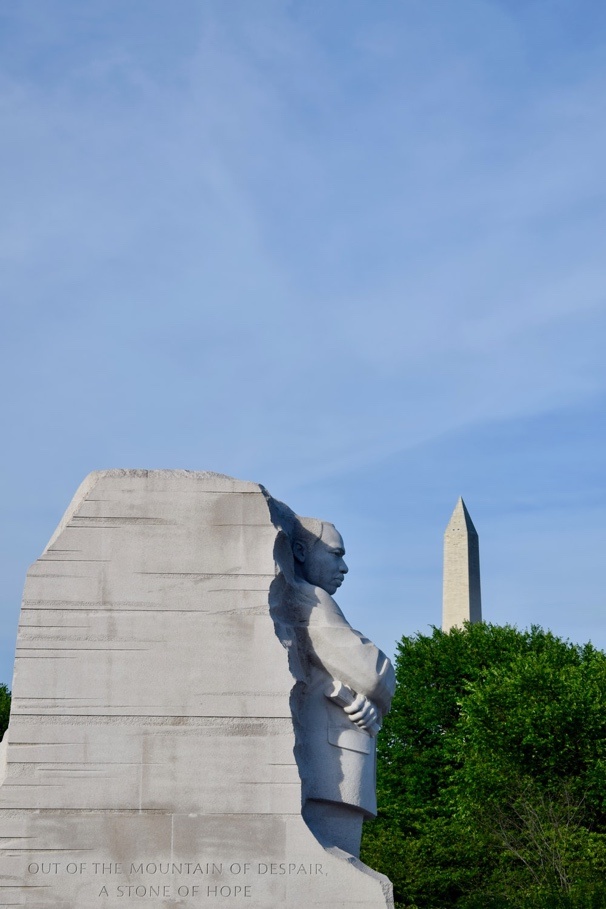
    MLK memorial

    A Marriage (and Divorce) in Prison

    On October 13, 1978, long after his arrest, James Earl Ray tied the knot with an artist Anna Sailing Sandhu. They shared an age gap of almost 20 years, but sparks must’ve flown after they met for a TV interview where Sandhu was invited to draw Ray.

    After spending 12 anniversaries exchanging letters, Ray officiated a marriage that started with separation by filing for divorce due to irreconcilable differences.

    Gaining the King Family’s Support

    Where the MLK assassination is concerning, there are three groups of people: the first believe Ray did it, the second thinks he didn’t act alone, and the third is convinced he’s innocent.

    The second group had enough support to prompt the Senate Congressional Hearing Committee to open an investigation into possible government collusion. They found the FBI’s campaign against MLK to be an indirect contributor, didn’t find any evidence of direct involvement, and concluded that Ray was the killer.

    The third group doesn’t have many supporters, but it includes King’s family, particularly his son, Dexter Scott King, who even went to Ray’s death bed to tell him that his family believed he was innocent.

    Learn more facts about James Earl Ray on our platform, which is dedicated to unearthing the truth behind the unresolved political assassinations of the 1960s. Please support our campaign for full transparency and accountability for the assassination of Martin Luther King Jr., among other activists and political figures murdered during this tumultuous decade.

    Visit our website to express your support today.

  • How the JFK Assassination Changed Secret Service

    How the JFK Assassination Changed Secret Service

    Shortly after the assassination of John F. Kennedy, the Secret Service, the agency responsible for the President’s security detail, among other things, went through a complete overhaul.

    As you’ll see in today’s Kennedys and King blog, prohibiting open-top limos was only the beginning of the changes we’ll see in the years following the assassination and the ensuing investigation.

    More Agents and a Higher Budget

    As indicated in a Washington Post article, the Secret Service only had 300 agents and a $5 million budget at the time of the assassination. Their duties were mostly relegated to criminal investigations; the protective missions were added later and were not as clearly defined.

    In any case, the Secret Service inducted a slew of agents after the assassination. Today, more than 3,000 agents are working for the organization, primarily protecting the President and other entities in the Senate and House of Representatives, under a minimum budget of $30 billion.

    Creation of a Security Network

    After the assassination, the Secret Service came under fire for its poor communication skills. The Warren Commission, a deeply flawed albeit partially credible investigation into the assassination, found that the agency hardly collaborated with local law enforcement, not seeing fit to disseminate intelligence before an event.

    Today, you’ll see these secret agents not only set up layers of security through electronic and physical barricades but also partner with local law enforcement to remain attuned to any security threats in the area.

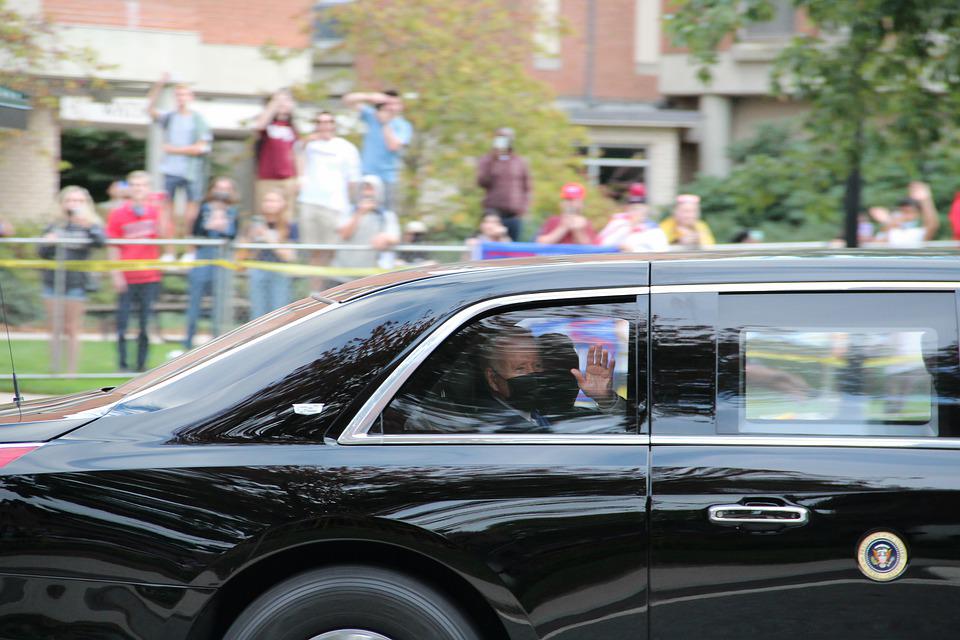
    Biden motorcade

    The Powers Granted by the Congress

    After President McKinley was assassinated in 1901, Congress assigned presidential security to the Secret Service. After President Kennedy was assassinated in late 1963, they were the ones that enacted a slew of statutes, the first of which was granting security to the deceased President’s wife and children. 

    As of the ’90s, Congress was still enacting new statutes, bringing the total to 23, all granting more power to the Secret Service and helping them counter newer threats of the digital age.

    The Counter Sniper Team

    In 1971, the Special Operations Division introduced the Counter Sniper Team, which included precision sharpshooters specializing in identifying and neutralizing long-range threats, the sort that killed President Kennedy.

    Before this, the unit only had the Counter Assault Team, which dealt with physical attacks in the vicinity. They weren’t trained or knew to scan windows and other nearby structures for potential suspects.

    Revisit the JFK Assassination at Kennedys and King

    Now that you know about the changes the Secret Service underwent after the JFK assassination visit our archives to know the gravity of the event that sparked such an upheaval. Explore the four major facts behind political murders in sixtees on our platform, including John F. Kennedy, Robert F. Kennedy, Martin Luther King Jr., and Malcolm X.

    Let us know if you have something to contribute regarding the facts behind political murders in sixtees.