Blog

  • The Most Famous Myths About the Civil Rights Movement—Debunked!

    The Most Famous Myths About the Civil Rights Movement—Debunked!

    They might say the past stays in the past because its gray areas take a backseat to a simpler perspective that history books endorse. The Civil Rights Movement was anything but a simple attempt at ending racial discrimination and earning equal rights. 

    Kennedys and King is devoting today’s blog to debunking some of the mistruths of these oversimplifications.

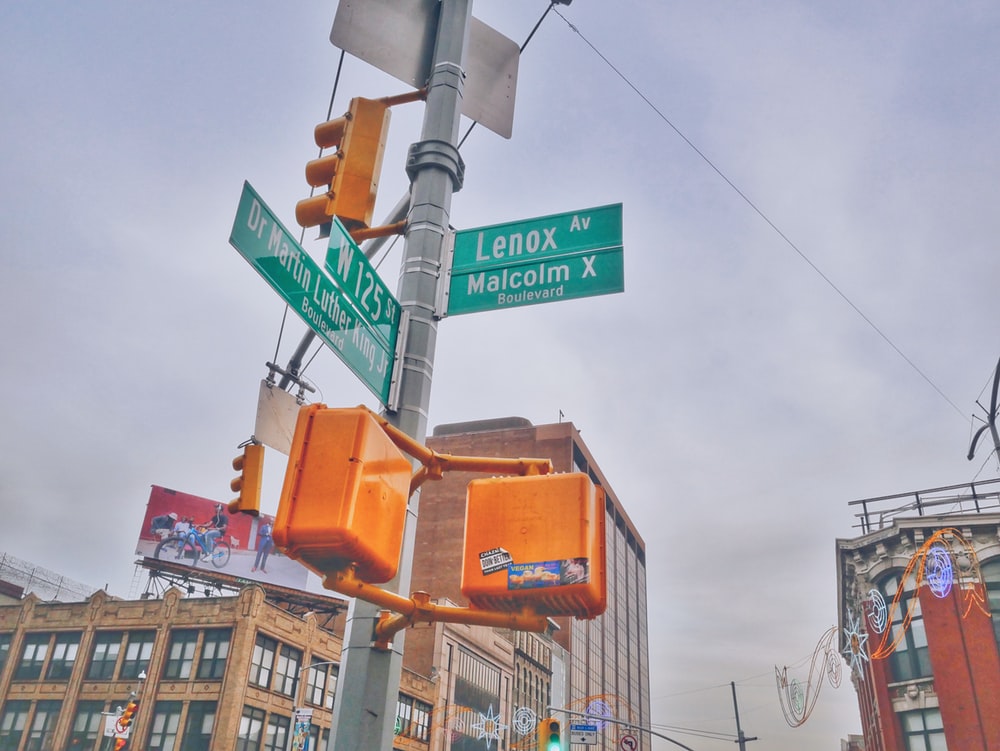
    Myth #1: Malcolm X was the Radical to Martin Luther King Jr.’s Pacifist

    No matter how far we might’ve come since the ’60s, we’ll continue to see activists as either radicals or pacifists. With all his harsh rhetoric, Malcolm X was seen as the former, whereas Martin Luther King Jr. was perceived as the latter. 

    It’s not quite this black-and-white. Malcolm X might have had his faults, but he never advocated for initiating violence. He supported defense, not violence, and that too when one’s wellbeing was at risk.

    On the other hand, MLK might be known for his peaceful rhetoric, but he too was in favor of taking arms to defend himself. He might’ve grown up among his people, but the things he was fighting for would’ve hardly won him any points with the white community, and he would’ve had to protect himself from their wrath.

    Overall, it would be better not to assign boxes labeled ‘pacifist’ and ‘radical’ to these two activists, who were more similar than you might think.
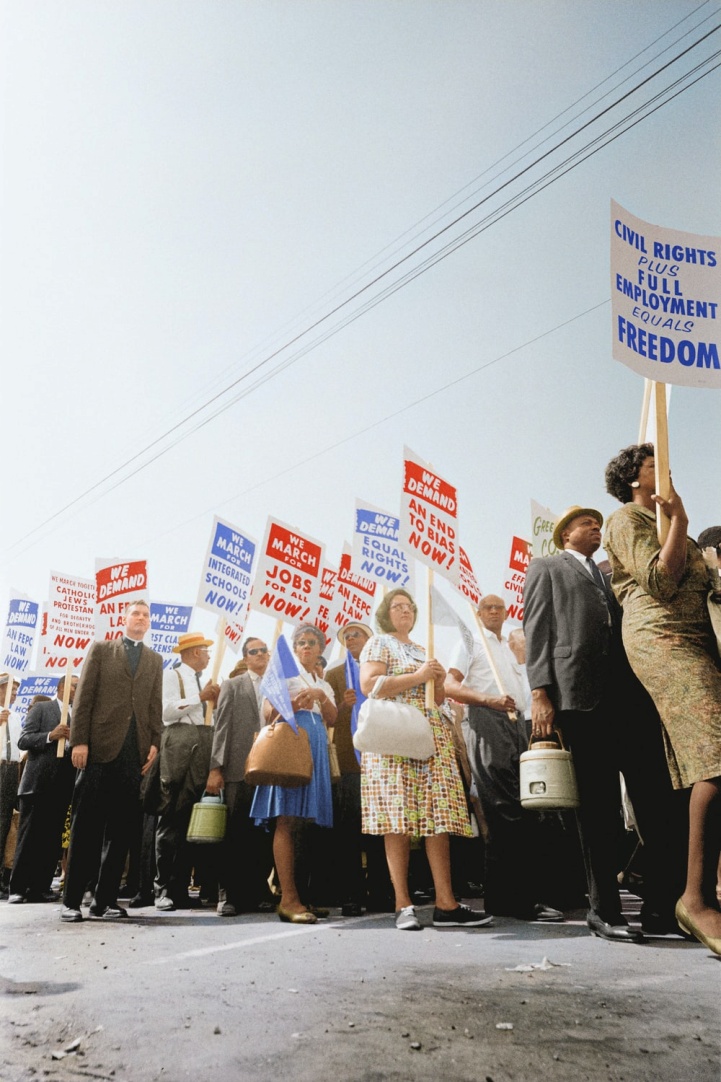
    march

    Myth #2: MLK Died a Hero

    MLK didn’t so much die a hero as he was made one in the months following his assassination. He might be a national hero with a holiday dedicated to his birthday today, but his public image was quite controversial during the three years leading up to his assassination.

    From advocating for the poor to assailing the US government’s involvement in Vietnam, it seemed as if he had finally started going against the American grain, against some of the issues uniting all Americans.

    Myth #3: The Black Panthers Were No Better than Armed Militia

    The Black Panther Party for Self Defense was founded in the ’60s primarily to fight police brutality. Their members are usually perceived as gun-wielding men with a penchant for paramilitary attire, which is true but only to a certain extent.

    They might be known as “cop killers” in white neighborhoods. However, in black neighborhoods, they were known for setting up health clinics, feeding over 10,000 children daily, and asking people to contribute and volunteer. By all accounts, they were doing the government’s work.

    Just as we don’t deny the shortcomings of Malcolm X and Martin Luther King Jr., we don’t deny the violent streak of certain Black Panther factions. However, that doesn’t change the fact that most of these leaders were assassinated during the Civil Rights Movement, which is no coincidence.

    Follow us as we make strides in our cause to bring these political assassinations of the 1960s to justice and advocate for more records to be undisclosed.

    Contact us if you know more facts behind political murders in sixtees.
  • 4 FAQs About the Press Coverage of the Kennedy Assassination

    4 FAQs About the Press Coverage of the Kennedy Assassination

    When President John F. Kennedy was assassinated, TV reportage wasn’t seen with the same respect as print media. They were akin to today’s paparazzi reporters but were the need of the hour as print would’ve taken a while.

    In today’s blog, Kennedys and King answers some of the most frequently asked questions about the press coverage of the Kennedy assassination.

    1. Were the Initial Reports Accurate?

    The initial reports of the incident came 10–15 minutes after the assassination. They were about as accurate as word of mouth. While TV cameras were allowed to roll round-the-clock, the reporters weren’t as lucky.

    Their eyes could only go so far, which in this case wasn’t far at all, as they were constantly bussed off to different locations and could hardly see or hear what had happened.

    If this happened in 2022 with the 1960s brand of press coverage, someone watching a live stream of the Kennedy cavalcade would know more about the assassination.

    2. Did a Narrative Form After the Fact?

    After the 24/7 coverage of the assassination, most television press was almost comical in how it formed a singular narrative and stuck to it for decades. In this case, most reporters ran with Dan Rather’s narrative. 

    Dan Rather’s only claim to the authenticity was that he was in Dallas when the assassination happened and was the first to report it live. Nevertheless, the American journalist’s account became primetime fodder on every anniversary. There were slight deviations, but the overall story was always the same across all channels.

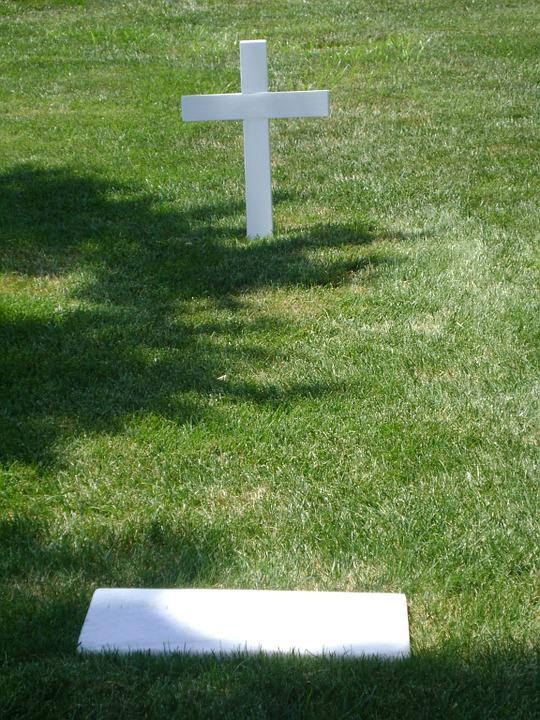
    resting place

    3. Does that Mean the Press Didn’t Come Through?

    The answer to that is entirely subjective. We believe the general sentiment at the time wasn’t to make the reportage as sensationalistic as possible to garner views but to inform people who suddenly found themselves without a leader.

    That said, the press could’ve been more investigative from the get-go. Since they weren’t as thorough at the job as they should’ve been, we still have many gaps to fill until we can solve this mystery.

    4. How Does the Press Coverage of Lee Harvey Oswald Compare to that of President John F. Kennedy?

    Unlike the half-baked coverage of the John F. Kennedy assassination, the press was dogged in its coverage of Lee Harvey Oswald the day after his arrest, which was also the day Jack Ruby killed him at point-blank range.

    It remains unclear why the press had more access to the president’s killer and his subsequent assassination than the president himself, which is one of the many reasons this high-profile murder remains unsolved.

    While the Truth behind JFK assassination remains murky at best, we’ve compiled what we do know about the tragic event in one place. Help us advocate for more records to be undisclosed about the political assassinations of the 1960s, which included the assassinations of John F. Kennedy, Robert Kennedy, Martin Luther King Jr., and Malcolm X.

  • 4 Little-Known Facts About the Life of Malcolm X

    4 Little-Known Facts About the Life of Malcolm X

    You probably know Malcolm X as one of the leaders of the Civil Rights Movement— a much-discussed subject at Kennedys and King — and that he was assassinated in front of his wife and daughters on February 21, 1965. 

    But there’s so much the world has forgotten about the African American activist. Keep reading to find out.

    1. Malcolm X was Born Malcolm Little

    Malcolm X changed his last name ‘Little’ because it belonged to a slave ancestor. Since he didn’t know his original African name, he replaced it with an ‘X’. However, this isn’t where he stopped.

    After performing the Hajj in 1964, Malcolm changed his name again to El-Hajj Malik El-Shabazz.

    2. Malcolm X Had a Turbulent Childhood

    Growing up, we all have growing pains and rebellious phases. So did Malcolm, but in the context of an America led by white supremacists. Malcolm’s parents supported a black nationalist organization, the Universal Negro Improvement Association (UNIA).

    They supported equality and celebrated black pride and had to move from Nebraska to Wisconsin to evade the Ku Klux Klan threat. However, an offshoot of the organization, Black Legion, followed them to Milwaukee.

    The white supremacists set fire to the family’s house and made life as difficult for them as possible. When Malcolm’s father died two years later, there were murmurs that the Black Legion had killed him, although that’s circumstantial at best.

    After his mother was institutionalized, Malcolm and his siblings were separated and scattered across various homes, which is how they grew up.

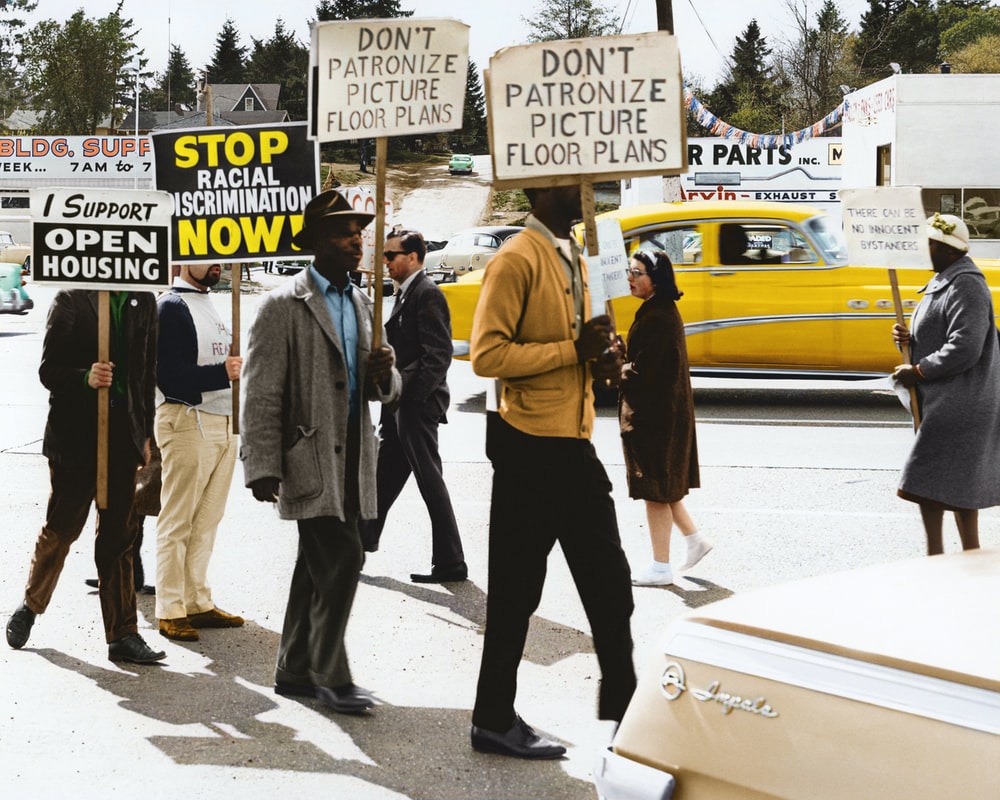
    Civil Rights protest


    3.  Malcolm X Taught Racial Separatism (At First)

    Malcolm’s parents may not have had the chance to do much towards black pride, but Malcolm did. He traveled across city and state lines spreading his message through in-person sermons and radio broadcasts.

    On the surface, his message was the same as Martin Luther King’s. However, on closer inspection, you’ll find that he was skeptical of racial equality and advocated for racial separatism, which is the exact opposite of MLK’s message of love, peace, and harmony.

    4. Malcolm X Changed Tack After Traveling to Mecca

    The pilgrimage to Mecca apparently did Malcolm X a lot of good. It broadened his worldview and made him realize that the problem wasn’t with the white race but the culture and traditional backdrop of the enslavers and the enslaved.

    When he saw people performing Hajj regardless of skin color, he realized his role in the Civil Rights Movement wasn’t to separate black and white people or see the latter as the problem. It was to fight racism and its enablers and advocate for all black people, regardless of their religious affiliations.

    Help us uncover and document the mysterious political assassinations of the 1960s by contributing to our cause. Join Kennedys and King to reveal the redacted truth of the Kennedy, MLK, and malcolm x assassination, one disclosed document, tape, or newspaper clipping at a time.

    Get in touch for more information about how you can play a part in unveiling the facts behind political murders in the ’60s.

  • 5 Things You May Not Know About the Warren Commission

    5 Things You May Not Know About the Warren Commission

    The Warren Commission was set up to investigate the deaths of President John F. Kennedy and his alleged killer, Lee Harvey Oswald. Chaired by US Chief Justice Earl Warren, the Commission’s results experienced heavy criticism as soon as they became public.

    In today’s Kennedys and King blog, we’ll go over some details behind the details of its 888-page report.

    1. Earl Warren’s Personal Stake in the Investigation

    While committees have previously returned with more credible results, personal affairs notwithstanding, Earl Warren’s wasn’t one of them. The US Chief Justice was a close friend of the Kennedy family. His sentiments shouldn’t have impeded the investigation, but records show otherwise.

    From limiting access to Kennedy’s autopsy photos to barring the Commission from interviewing Jackie Kennedy, there’s no shortage of instances where he fell short of his duty, which might’ve affected the warren commission results.

    2. The Super-Secret Fidel Castro Interview

    The idea that Fidel Castro might’ve killed Kennedy is just that, an idea. However, it’s a conspiracy theory that the Commission thought fit to look into.

    During a three-hour off-the-record interview, which was so lowkey it wasn’t even revealed to key Warren Commission members, Castro denied the charges against him repeatedly, just like he did in public.

    Unfortunately, we’ll never see a transcript of this interview as no one took notes during the proceedings, and the people who knew are long gone.

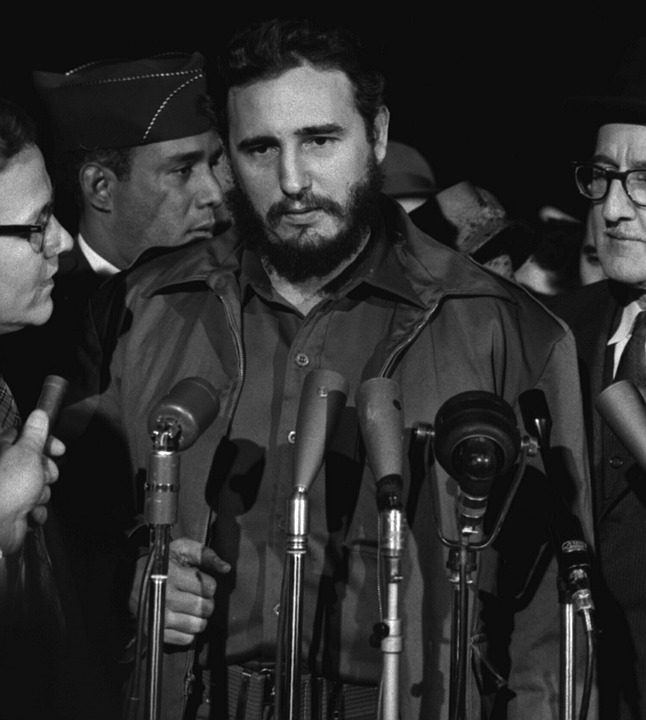
    Fidel Castro

    3. The Gerald Ford Leaks

    Gerald Ford was one of the congressmen on the Warren Commission, but he was also an FBI informant. He constantly leaked information about their progress to the Bureau’s Director, J. Edgar Hoover.

    What’s more interesting is that this reveal wasn’t common knowledge until 2006, months after Ford’s death, when a cache of declassified documents suggested Ford as the one to approach the FBI with this information.

    4. The FBI-CIA Interference

    The FBI and CIA might’ve interfered with the investigation by telling lies and destroying evidence that could’ve changed the report drastically. Their transgressions included:

    • Not admitting to surveilling Oswald in the days leading up to the investigation.
    • Destroying a note left by Oswald threatening an FBI agent before the assassination.
    • Removing the FBI agent’s name from the address book transcript.
    • Lying about their activities in the days leading up to the assassination.

    5. The Motiveless Murder

    You’d think a president’s murder would have a rhyme and reason to it, but the Commission thought otherwise. While they recreated the event and proposed the assassin, they didn’t provide a plausible motive for the President’s assassination.

    The Warren Commission experienced collusion, breach of privacy, and conflict of interest, among other things. There were enough of them to alter the course of the investigation.

    Visit our website if you’re interested in the findings of the Warren Commission. Check out all the analyses on a report that concealed the truth behind the JFK assassination, learn important facts about Lee Harvey Oswald, and show your support through text and audio contributions.

    Get in touch for further assistance.