

Displaying items by tag: JFK
Jonathan Chait meets Michael Kazin
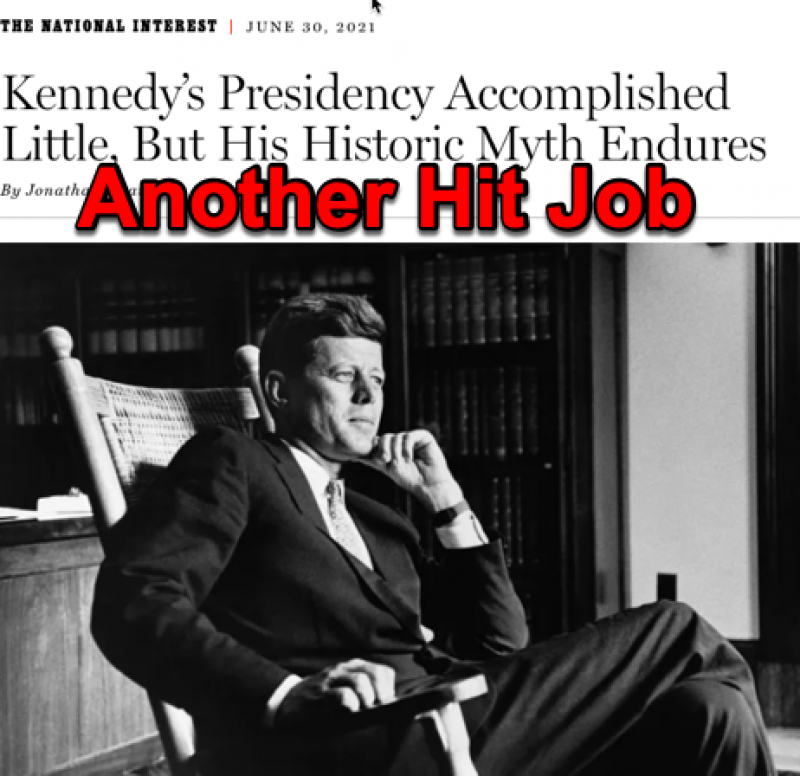
Jonathan Chait joins Michael Kazin in publishing another non sequitur hit-piece on the JFK presidency in the mainstream media, so Jim DiEugenio, once again, continues his yeoman's work of setting the record straight by sharing the undisputable facts of the JFK presidency and exposing the shoddy research and poor analysis of the mainstream media.
John Newman’s JFK and Vietnam, 2017 version
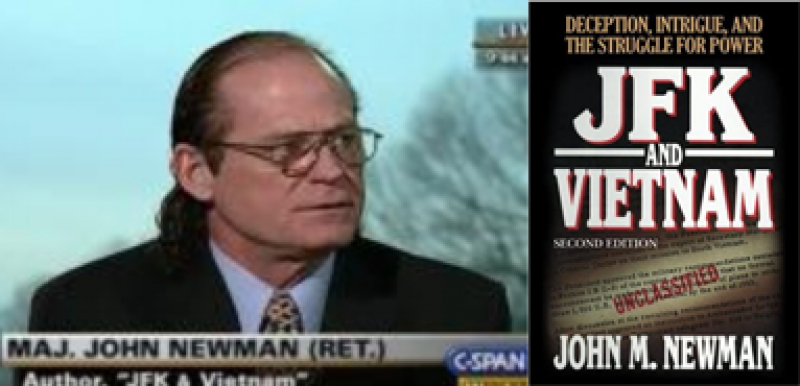
While working on Oliver Stone’s upcoming documentary, Jim DiEugenio consulted the 2nd edition of John Newman’s ground-breaking book, JFK and Vietnam, and now takes the opportunity to review the development of Newman’s important thesis and the innovation and impact of this substantial research in dispelling the myth that LBJ did not alter Kennedy’s policy in Vietnam.
Michael Kazin and the NY Review vs JFK
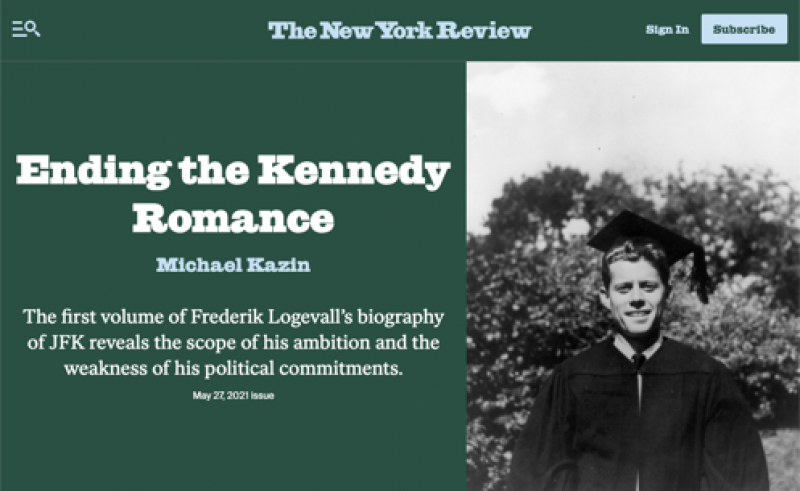
Jim DiEugenio redresses the historical and academic dishonesty of Michael Kazin’s thinly veiled screed against President John F. Kennedy under the guise of a review of a biography that only covers his life through 1956 by meticulously articulating the facts of Kennedy's domestic and foreign policy positions.
Why the Vietnam War? by Michael Swanson
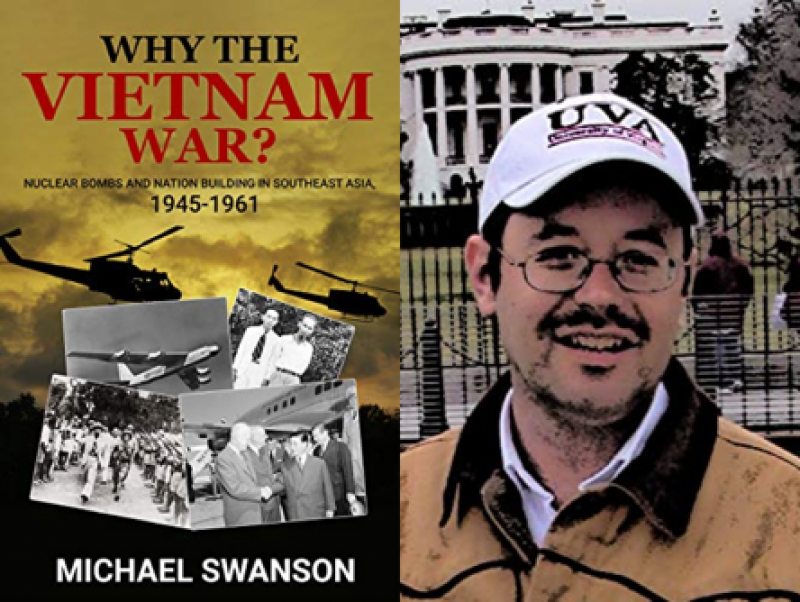
With an eye toward the Indochina machinations inherited by President John F. Kennedy, Jim DiEugenio reviews the new book Why the Vietnam War? by Michael Swanson, who foreshadows the fact that Kennedy was trapped by his own advisors and how his removal would lead to an epic tragedy.
Fred Litwin Smooches Clay Shaw’s Lawyers
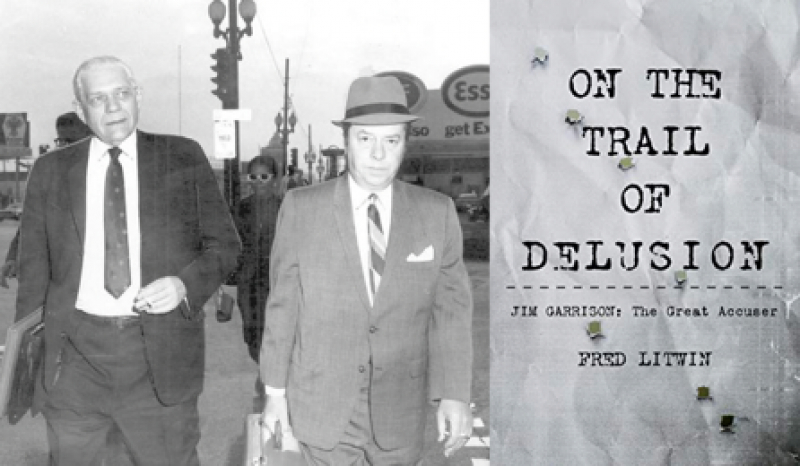
Jim DiEugenio calls into question the credibility of Fred Litwin’s primary sources for his book On the Trail of Delusion by exposing the clear deceptions of Clay Shaw’s lawyers regarding Shaw’s long-standing connection to the Central Intelligence Agency.
The Devil is in the Details: By Malcolm Blunt with Alan Dale
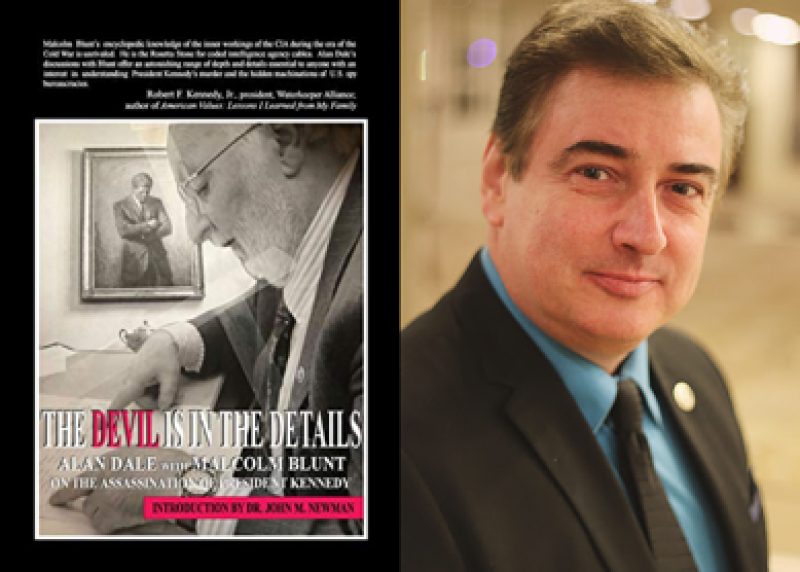
Malcolm Blunt may, in fact, be the most important little-known JFK researcher of our generation. Jim DiEugenio uses this review of Alan Dale’s excellent new oral history, The Devil is in the Details, to survey Malcolm’s crucial contributions to the evidence that has been exposed today and to pay tribute to his tireless, selfless, and insightful work.
President Kennedy and the Third World
Jim DiEugenio, at: The Future of Freedom Foundation
John F Kennedy: When the US president met Africa's independence heroes
Staff, at: BBC News
Deconstructing JFK: A Coup d’État over Foreign Policy?
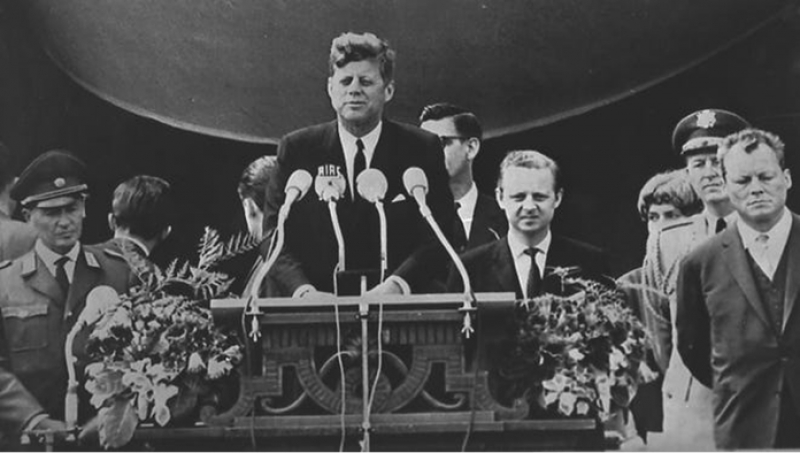
Jim DiEugenio guest authors an article for CovertAction magazine, wherein he demonstrates that the Kennedy administration engaged with socialist and non-aligned leaders like Nasser and Sukarno, supported diplomatic solutions to conflict through the UN, stood up to European imperial agents, and was generally against right-wing coups and military intervention. In light of these foreign policies, the presidency and assassination of John Kennedy need to be reevaluated.
James Saxon and John Kennedy vs. Wall Street
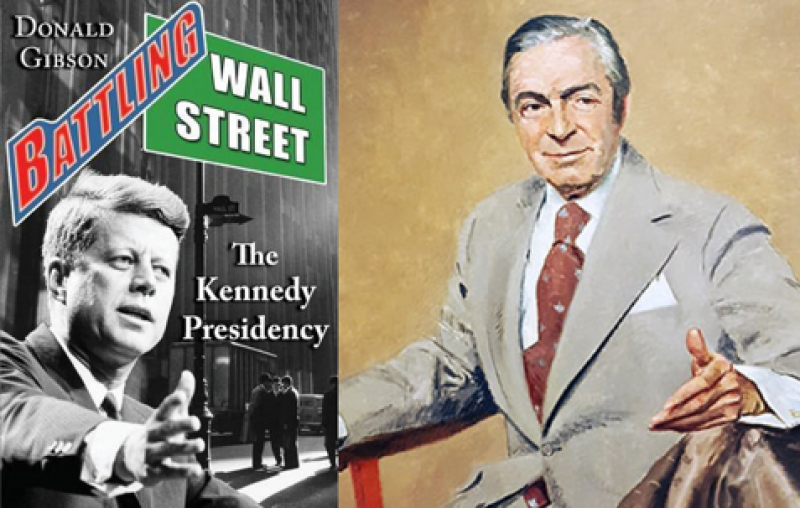
Jim DiEugenio examines President John F. Kennedy's economic policy and his relationship to the American Power Elite by reviewing Donald Gibson’s ground-breaking 1994 book, Battling Wall Street, and the role by played by James J. Saxon, his Comptroller of the Currency, in attempting to implement that policy.


Copyright 2016-2022 by kennedysandking.com • All Rights Reserved